How Do You Get the Wolverine Stack? BPC-157 + TB-500 Access Guide (2026)
By Garret Grant·Founder & Lead Researcher·Last reviewed August 5, 2026·
Quick Answer: The Wolverine Stack-a combination of BPC-157 and TB-500-is not FDA-approved and cannot be legally compounded by pharmacies. As of March 2026, both peptides are classified as Category 2 bulk drug substances by the FDA and are banned by WADA. You can access these peptides through research-grade suppliers in the grey market, where quality varies significantly. Supplier selection based on third-party testing (Finnrick Analytics) is critical. Pre-blended Wolverine Blend vials (typically 10 mg BPC-157 + 10 mg TB-500) and separate standalone vials are both available.
Why This Article: The Wolverine Stack combines BPC-157 (a 15-amino-acid gastric peptide that promotes localized tissue repair through angiogenesis and growth factor modulation) with TB-500 (a synthetic fragment of thymosin beta-4 that supports systemic recovery through actin regulation and cell migration). In preclinical models, BPC-157 accelerated healing of tendons, ligaments, and muscles, while thymosin beta-4 accelerated wound re-epithelialization by up to 61% in animal models and showed promise in Phase 2 human wound healing trials.
This guide covers how to access the Wolverine Stack, supplier quality data, dosing protocols for both separate-vial and pre-blended formats, reconstitution math, pricing, side effects, and comparison to running either peptide alone. See the related Wolverine Stack protocol page for detailed dosing, synergy mechanisms, and clinical evidence. For a head-to-head mechanism and dosing comparison of the two components, see BPC-157 vs TB-500.
Disclaimer: This article is for educational and informational purposes only. It is not medical advice. BPC-157 and TB-500 are not FDA-approved for any human use. Both are classified as Category 2 bulk drug substances and are banned by WADA. Consult a healthcare provider before considering any compound.
BPC-157 and TB-500 vials with 2026 Wolverine Stack guide title.Social graphic highlighting Wolverine Stack supplier guide and protocol.
Use this as a practical checkout checklist: start with a reviewed supplier, add baseline blood testing, then gather the common supplies you need before ordering.
Disclosure: supply links may earn PepPal a commission at no cost to you.
Companion Supplies & Routine Support
What Is the Wolverine Stack?
The Wolverine Stack is the popular name for the combination of two regenerative peptides-BPC-157 (Body Protection Compound-157) and TB-500 (a synthetic fragment of Thymosin Beta-4)-used together to target tissue repair through complementary biological pathways. Named after the Marvel character known for rapid healing, this stack has gained attention in athletic, biohacking, and regenerative medicine communities. BPC-157 acts as a localized repair architect, while TB-500 works systemically to mobilize repair cells and reorganize cellular structure for recovery.
BPC-157 is a 15-amino-acid pentadecapeptide with a molecular weight of 1,419 Da. TB-500 is a 17-amino-acid synthetic peptide based on the active actin-binding domain of thymosin beta-4. Neither peptide is FDA-approved, both are Category 2 bulk drug substances, and both are banned under WADA's S0 category. New to stacking? Start with our Stacking 101 guide before deciding whether a two-peptide recovery setup fits your goal.
Diagram of BPC-157 localized repair and TB-500 systemic regeneration.
How the Wolverine Stack Works
BPC-157 - Localized Repair & Angiogenesis: BPC-157 activates VEGFR2, supports fibroblast migration, and modulates nitric oxide signaling at injury sites. A 2025 AJSM systematic review found 35 preclinical studies with improved structural and biomechanical outcomes across muscle, tendon, ligament, and bone models.
TB-500 - Systemic Recovery & Cell Migration: TB-500 regulates actin polymerization and supports cell migration, angiogenesis, collagen deposition, and tissue remodeling. Thymosin beta-4 showed 42-61% faster re-epithelialization in animal models and benefit in Phase 2 human wound healing trials.
Complementary Synergy: BPC-157 builds local vascular conditions for repair while TB-500 helps mobilize systemic repair response. No clinical trial has studied the combination directly.
Key Statistics
BPC-157: no toxic or lethal dose reached in preclinical models across 6 mcg/kg to 20 mg/kg.
Thymosin beta-4 accelerated healing by about one month in Phase 2 chronic wound research.
The Wolverine Stack is among the most discussed peptide-combination protocols in recovery circles.
Clinical & Preclinical Evidence
BPC-157 Evidence Summary
BPC-157 evidence is predominantly preclinical. A June 2025 American Journal of Sports Medicine systematic review identified 36 studies from 1993 to 2024 (35 preclinical, 1 small retrospective human series). No randomized controlled trial in humans has been completed. In the human series, 7 of 12 patients with chronic knee pain reported relief longer than six months after intraarticular injection.
TB-500 / Thymosin Beta-4 Evidence Summary
Thymosin beta-4 has stronger human evidence than BPC-157, mainly in wound healing. Phase 2 trials reported faster healing in pressure ulcers, venous stasis ulcers, and epidermolysis bullosa. A randomized ophthalmic trial found 35.1% lower ocular discomfort and 59.1% lower corneal staining versus controls. TB-500 specifically has not been evaluated in standalone human clinical trials.
Wolverine Stack Combination Evidence
No clinical trial has evaluated BPC-157 + TB-500 together. The synergy rationale is extrapolated from individual mechanisms and community usage patterns.
Comparison Table: Wolverine Stack Evidence vs. Standalone Compounds
Unlike investigational compounds with FDA approval timelines, the Wolverine Stack has no path toward FDA approval as a combination product. Both components are restricted under current FDA regulations.
Current Status (As of August 2026)
Swipe horizontally to view full table
Compound
FDA Classification
Compounding Status
WADA Status
DEA Scheduling
BPC-157
Category 2 (2023)
Prohibited under 503A/503B
Banned (S0)
Not scheduled
TB-500 / Thymosin Beta-4
Category 2
Prohibited under 503A/503B
Banned (S0)
Not scheduled
Key Regulatory Context
FDA Category 2 designation indicates unresolved safety risks, including potential immunogenicity and peptide impurity concerns.
These compounds are not DEA-scheduled, but marketing for human use violates FDA rules.
Most suppliers use "for research use only" labeling, which does not provide standardized quality oversight.
DOJ has enforced against peptide compounding distribution, including forfeiture cases involving BPC-157.
Competitive athletes should treat this as prohibited use: both compounds are banned by WADA in and out of competition.
There is effectively one primary pathway to access the Wolverine Stack as of August 2026: research-grade suppliers in the grey market.
Path 1: Research-Grade Suppliers (Grey Market)
Pros
Fast access (typically 2-7 day US shipping)
Flexible self-managed dosing protocols
Available as separate vials or Wolverine Blend
No medical screening requirement
Oral BPC-157 options are available
Cons
Not FDA regulated quality control
Counterfeit and under-dosed products exist
No clinical monitoring or standardization
Ambiguous legal risk by jurisdiction
Requires independent testing verification
All suppliers in the PepPal Supplier Directory have been assessed by Finnrick Analytics with COA verification.
Path 2: Clinical Trial Enrollment (Limited)
BPC-157 has appeared in trials historically, but as of April 2026 there are no actively recruiting clinical trials for BPC-157 or TB-500 in US musculoskeletal indications.
Check ClinicalTrials.gov for new postings.
No actively recruiting Wolverine Stack indication trials are listed as of August 2026.
Critical Warning: The Wolverine Stack is a high-value counterfeit target. Because both peptides are white lyophilized powders and look identical when reconstituted, visual verification is not reliable. Use only suppliers with Finnrick testing and batch-specific COAs.
Supplier Rankings
The following suppliers carry Wolverine Stack components and have undergone Finnrick Analytics quality assessment.
Separate vials: BPC-157 (5 mg or 10 mg) + TB-500 (5 mg or 10 mg) for independent dose control.
Pre-blended Wolverine Blend: typically 10 mg BPC-157 + 10 mg TB-500 in one vial.
Oral BPC-157 is available from some suppliers; TB-500 is not orally viable.
How to Use Testing Data
Check Finnrick letter ratings first (A/A+ generally lowest risk).
Prefer larger sample counts where available.
Read full supplier reviews before ordering.
Verify batch-specific COAs for your exact lot.
Use discount code PEPPAL where eligible.
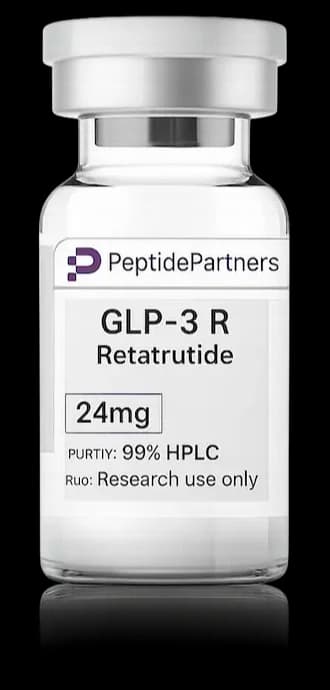
For expanded vetting steps, see Best Grey-Market Peptide Suppliers. If you are leaning toward Peptide Partners, the PEPPAL discount page summarizes the live code, shipping threshold, and Wolverine-related catalog links.
Format A: Separate Vials (Recommended for Dosing Flexibility)
BPC-157 Reconstitution
Swipe horizontally to view full table
Vial Size
BAC Water Added
Concentration
250 mcg Dose
500 mcg Dose
5 mg
2.5 mL
2,000 mcg/mL
0.125 mL (12.5 U)
0.25 mL (25 U)
5 mg
2 mL
2,500 mcg/mL
0.10 mL (10 U)
0.20 mL (20 U)
10 mg
2 mL
5,000 mcg/mL
0.05 mL (5 U)
0.10 mL (10 U)
Math check (5 mg + 2.5 mL): 5,000 mcg / 2.5 mL = 2,000 mcg/mL. 250 mcg = 0.125 mL = 12.5 U. 500 mcg = 0.25 mL = 25 U.
TB-500 Reconstitution
Swipe horizontally to view full table
Vial Size
BAC Water Added
Concentration
2 mg Dose
2.5 mg Dose
5 mg Dose
5 mg
1 mL
5 mg/mL
0.4 mL (40 U)
0.5 mL (50 U)
1.0 mL (100 U)
5 mg
2 mL
2.5 mg/mL
0.8 mL (80 U)
1.0 mL (100 U)
-
10 mg
2 mL
5 mg/mL
0.4 mL (40 U)
0.5 mL (50 U)
1.0 mL (100 U)
Math check (5 mg + 1 mL): 5,000 mcg / 1 mL = 5,000 mcg/mL. 2 mg dose = 0.4 mL = 40 U. 2.5 mg dose = 0.5 mL = 50 U.
Format B: Pre-Blended Wolverine Blend Vial
Swipe horizontally to view full table
Vial Composition
10 mg BPC-157 + 10 mg TB-500
BAC Water Added
2 mL
Total Concentration
10 mg/mL total peptide
BPC-157 Concentration
5,000 mcg/mL
TB-500 Concentration
5,000 mcg/mL
Swipe horizontally to view full table
Dose Volume
BPC-157 per Dose
TB-500 per Dose
Syringe Units
0.05 mL
250 mcg
250 mcg
5 U
0.10 mL
500 mcg
500 mcg
10 U
0.20 mL
1,000 mcg
1,000 mcg
20 U
Pre-blended vials deliver both peptides in a fixed 1:1 ratio. This is convenient but does not support the common "BPC daily + TB-500 twice weekly" split as well as separate vials.
Reconstitution Steps
Gather U-100 insulin syringe, BAC water, vial, and alcohol wipe.
Let vial rest at room temperature for 5-10 minutes.
Sanitize stopper with alcohol and let it dry.
Draw BAC water for your target concentration.
Inject along vial wall, not directly onto powder.
Gently roll vial until dissolved. Do not shake.
Label vial with name, concentration, and date.
Handling & Storage
Lyophilized powder: room temperature or refrigerated.
Reconstituted BPC-157: refrigerate 2-8 C, use within 28 days.
Reconstituted TB-500: refrigerate 2-8 C, use within 14-28 days.
Pre-blended vials: use within 14 days.
1 mL equals 100 units on U-100 syringe.
Dosing Protocol (Community-Derived)
No clinical trial has evaluated BPC-157 + TB-500 together. Combined protocols are community-derived.
Because neither BPC-157 nor TB-500 has an FDA approval pathway, there is no projected pharmacy pricing. The research-supplier channel remains the practical access path.
Higher-cost suppliers with A+ testing depth can reduce contamination and under-dosing risk.
BPC-157 preclinical data shows no acute toxicity across multiple organs in short-duration models across broad dose ranges. Human safety evidence remains minimal. Thymosin beta-4 Phase 2 data reported acceptable tolerance in wound studies.
Wolverine Stack Combined Considerations
Additive angiogenesis is a theoretical concern for individuals with active malignancy.
Running two grey-market peptides doubles contamination exposure risk if sourcing is weak.
Typical loading protocols require 5-9 injections per week.
Long-term human safety data for either peptide or the combination is not available.
See the Peptide Side Effects Guide for BPC-157 and TB-500 safety profiles, including the angiogenesis concern.
Join the mailing list for new PepPal blog releases.
Get notified when new sourcing explainers, COA breakdowns, and calculator-linked research guides go live. Same lightweight signup flow as PDP, with page-source tracking on each submission.
New blog guides
Supplier and COA coverage
Calculator-linked updates
Email signup
One field. PepPal blog updates, supplier research, and calculator workflows only.
Frequently Asked Questions
How do I get the Wolverine Stack?
As of August 2026, the Wolverine Stack (BPC-157 + TB-500) is available through research-grade peptide suppliers in the grey market. Neither peptide is FDA-approved or available through pharmacies. You can purchase them as separate vials (BPC-157 + TB-500) or as a pre-blended Wolverine Blend vial. All suppliers in the PepPal Supplier Directory carry these products with Finnrick Analytics quality verification. Use code PEPPAL for discounts at most directory suppliers.
Is the Wolverine Stack FDA-approved?
No. Both BPC-157 and TB-500 are classified by the FDA as Category 2 bulk drug substances (as of 2023), meaning they are prohibited from being compounded by licensed pharmacies for human use. They are also banned by WADA under S0 (Non-Approved Substances). They are sold through grey-market suppliers as research chemicals only. There is no FDA approval pathway or timeline for the Wolverine Stack as a combination product.
How much does the Wolverine Stack cost?
Monthly costs range from approximately $100-195 for conservative protocols to $230-440 for full loading-phase protocols. Individual BPC-157 vials (5 mg) typically cost $30-60; individual TB-500 vials (5 mg) run $35-65. Pre-blended Wolverine Blend vials (10/10 mg) are typically $75-130, which can be more economical on a per-milligram basis.
What is the starting dose for the Wolverine Stack?
Community-derived starter protocols typically use BPC-157 at 250-500 mcg/day (subcutaneous, near injury site) and TB-500 at 2-2.5 mg twice weekly (subcutaneous, any site) for a 4-week loading phase. After loading, TB-500 is typically reduced to once weekly. For detailed titration guidance, see the Wolverine Stack protocol page.
How do I reconstitute the Wolverine Stack?
For separate vials: add bacteriostatic water to each vial individually. For a 5 mg BPC-157 vial, add 2.5 mL BAC water for 2,000 mcg/mL concentration. For a 5 mg TB-500 vial, add 1 mL BAC water for 5,000 mcg/mL concentration. For pre-blended 10/10 mg Wolverine Blend vials, add 2 mL BAC water for 10 mg/mL total concentration. Always inject water slowly along the vial wall and gently roll-do not shake. See full reconstitution tables above or use the PepPal Reconstitution Calculator for custom calculations.
Should I use separate vials or a pre-blended Wolverine Blend vial?
Separate vials offer more dosing flexibility-you can independently adjust BPC-157 and TB-500 doses, inject BPC-157 locally near an injury while administering TB-500 systemically, and follow the standard BPC daily + TB-500 twice weekly protocol. Pre-blended vials are more convenient (single vial, single reconstitution) but deliver both peptides in a fixed 1:1 ratio, which may not align with the most common dosing protocols. For first-time users, separate vials are generally recommended.
What are the most common side effects?
Community-reported side effects are generally mild: injection-site redness and irritation, transient fatigue or flu-like symptoms from TB-500 (usually weeks 1-2), occasional headache, and mild nausea. In preclinical models, BPC-157 showed no organ toxicity across a wide dose range. Thymosin beta-4 was safe and well tolerated in Phase 2 clinical trials. No serious adverse events are commonly reported in the community, though long-term human safety data does not exist.
How does the Wolverine Stack compare to BPC-157 alone?
BPC-157 alone excels at localized, single-site tissue repair (specific tendon, ligament, or gut healing) at lower cost and with a simpler protocol. The Wolverine Stack adds TB-500's systemic cell migration and additional angiogenic support, making it better suited for multi-tissue injuries, post-surgical recovery, or chronic conditions affecting multiple sites. See the comparison table above for a detailed breakdown.
How long should I run the Wolverine Stack?
Standard community protocols run 4-8 weeks: a 4-week loading phase (higher TB-500 frequency) followed by 4 weeks of maintenance. For severe injuries, some protocols extend to 12 weeks. A rest period of 2-4 weeks between cycles is commonly recommended. Healing continues for several weeks after stopping the peptides.
Can any Wolverine Stack components be taken orally?
BPC-157 is stable in gastric acid and can be taken orally, especially in Arginate salt form, which is primarily used for gut-related applications (leaky gut, IBS, ulcers). However, for musculoskeletal injuries, subcutaneous injection near the injury site is generally considered more effective. TB-500 degrades in the digestive system and is not orally viable-it must be injected.
Is the Wolverine Stack safe for competitive athletes?
No. Both BPC-157 and TB-500 are prohibited by WADA under S0 (Non-Approved Substances), banned in and out of competition. No Therapeutic Use Exemption is available. BPC-157 is detectable in urine for up to 4 days. Competitive athletes subject to anti-doping testing should not use the Wolverine Stack.
How should reconstituted Wolverine Stack peptides be stored?
Reconstituted peptides must be refrigerated at 2-8 degrees C. BPC-157 is stable for approximately 28 days after reconstitution; TB-500 is stable for 14-28 days. For pre-blended Wolverine Blend vials, the stability window is governed by TB-500 (the more sensitive component), so use within 14 days is recommended. Lyophilized powder vials can be stored at room temperature for months or frozen for 12+ months.
What are the theoretical cancer concerns with the Wolverine Stack?
Both BPC-157 and TB-500 promote angiogenesis-the formation of new blood vessels. Theoretically, enhanced angiogenesis could support tumor growth in individuals with active malignancy. No clinical evidence directly links either peptide to cancer development, but individuals with active cancer or recent cancer history should avoid these compounds as a precaution. This concern is theoretical and based on mechanism rather than observed outcomes.
Where can I find trusted Wolverine Stack suppliers?
The PepPal Supplier Directory lists all vetted suppliers with Finnrick Analytics quality ratings, sample counts, and COA verification status. Use code PEPPAL for discounts at most directory suppliers. Start with A+ or A-rated suppliers for lowest risk.
What calculator should I use for Wolverine Stack reconstitution math?
The PepPal Peptide Reconstitution Calculator handles both BPC-157 and TB-500 calculations. Enter your vial size (in mg), BAC water volume (in mL), and target dose (in mcg or mg) to get instant volume and syringe unit conversions. It works for separate vials and pre-blended Wolverine Blend vials.
Is this medical advice?
No. This article is for educational and informational purposes only. BPC-157 and TB-500 are not FDA-approved for any human use and are classified as Category 2 bulk drug substances. All dosing information presented is community-derived and has not been validated in human clinical trials. Consult a qualified healthcare provider before considering any peptide compound.
Preferred supplier
Peptide Partners
Need peptides? Start with a verified supplier.
PepPal's recommended source with current discount access and established testing standards.
Disclaimer: This article is for educational purposes only. It is not medical advice. BPC-157 and TB-500 are not FDA-approved for any human use. Both are Category 2 bulk drug substances and are banned by WADA.
Affiliate Note: PepPal may earn referral fees from suppliers listed in this guide. See the Affiliate Disclosure.