
Verified SupplierVerified Supplier Link
Reconstitution Guide
Updated August 2026
Reconstituting peptides means dissolving freeze-dried powder into a measured liquid so every draw is predictable. This guide covers supplies, solvent choice, vial-size math, an 8-step process, storage, and a free calculator.
Quick summary
Reconstituting a peptide means dissolving a freeze-dried (lyophilized) powder into a measured liquid so every dose is consistent. Wipe the vial tops with alcohol, draw the right amount of bacteriostatic water, inject it slowly down the inside wall of the peptide vial, gently swirl until clear, then label and refrigerate. Use the PepPal reconstitution calculator to get the exact concentration and syringe units before you start.
This guide covers the supplies, the solvent decision (bacteriostatic water vs sterile water vs acetic acid water), vial-size math from 5 mg to 60 mg, an 8-step mixing method, troubleshooting, storage rules, and peptide-specific examples for BPC-157, semaglutide, tirzepatide, retatrutide, TB-500, and CJC-1295 / Ipamorelin.
This page is educational and research-focused. It is not medical advice, diagnosis, or treatment guidance. Research peptides are not FDA-approved for human use unless specifically noted.
This page contains affiliate links. If you buy through those links, PepPal may earn a commission at no extra cost to you. Supplier relationships do not influence the technique or math shown here.
A complete supply setup eliminates most avoidable mistakes. Lay out every item before you puncture a vial so you can focus on sterile flow and accurate measurements.
Use this as a shopping checklist. It is not a substitute for dose math or sterile-technique training. PEPPAL applies to eligible Peptide Partners checkouts.
PEPPAL applies to eligible Peptide Partners checkout links when supported by the supplier.
Why choose Peptide Partners?
Disclosure: supply links may earn PepPal a commission at no cost to you.
Match your supplies to your protocol before puncturing any vial.
Mixing syringe
Use a 3 mL syringe with an 18-22G blunt tip for transferring BAC water. Larger barrel makes the math easier; blunt tip is gentler on stoppers.
Dosing syringe
Use U-100 insulin syringes (29-31G, 0.3 mL or 0.5 mL) for measuring doses. Smaller barrels read more clearly for low-volume doses.
Solvent
Bacteriostatic water is the default. Sterile water for single-use only. Acetic acid water for specific peptides covered below.
Labeling
Labels and a fine marker for tracking peptide name, concentration, reconstitution date, and 28-day discard date.
For the full equipment list, see the peptide injection supplies checklist.
This is the most important choice you make before mixing. Most peptides go into bacteriostatic water without trouble. A few specific peptides need a mildly acidic solvent. Sterile water is the right answer only when you plan to use the whole vial in one session.
Bacteriostatic water (BAC water) is sterile water that contains 0.9% benzyl alcohol as a preservative. The benzyl alcohol slows bacterial and fungal growth, which is what lets you draw from the same vial multiple times over several weeks. Once opened, BAC water keeps its preservative effect for about 28 days at room temperature or refrigerated.
Sterile water has no preservative. It is appropriate for single-use reconstitution where the entire contents will be used immediately. If you draw from a sterile-water-mixed vial more than once, the bacteria-growth window starts the moment you puncture the stopper. Plan to use it within hours, not days.
A few peptides will not fully dissolve in plain BAC water because they need a slightly acidic environment. The standard option is 0.6% acetic acid water (pharmaceutical-grade), sold in small vials by several research suppliers. Adding more BAC water does not fix this — the issue is pH, not volume.
Peptides that often need acetic acid water: GHK-Cu (the copper complex is poorly soluble in neutral water), AOD-9604 (often forms a gel without mild acid), IGF-1 LR3 (acidic conditions prevent aggregation), Fragment 176-191, and sometimes Melanotan I and II depending on the batch. GHRP-2 and GHRP-6 can also dissolve more reliably in mild acid.
Signs a peptide needs acetic acid water instead of BAC: the solution is cloudy or milky, you see a gel-like consistency, visible particles remain after 30+ minutes, or the powder fails to dissolve no matter how long you wait. Discard the vial and start over with the right solvent — do not inject a cloudy solution.
Solvent comparison
Feature
Preservative
Bacteriostatic Water
Sterile Water
0.6% Acetic Acid Water
Feature
Multi-dose use
Bacteriostatic Water
Sterile Water
0.6% Acetic Acid Water
Feature
pH
Bacteriostatic Water
Sterile Water
0.6% Acetic Acid Water
Feature
Best for
Bacteriostatic Water
Sterile Water
0.6% Acetic Acid Water
Feature
Cost
Bacteriostatic Water
Sterile Water
0.6% Acetic Acid Water
If a peptide does not dissolve cleanly in BAC water and you see cloudiness or gel, the solvent is the problem — not the technique.
The formula is short: total peptide (mg) divided by BAC water (mL) equals concentration (mg/mL). Multiply mg/mL by 1,000 to get mcg/mL. Most dosing mistakes come from skipping this step or mixing up mg with mcg.
Total peptide (mg) ÷ BAC water (mL) = Concentration (mg/mL). To convert to micrograms: mg/mL × 1,000 = mcg/mL. To find your draw volume: target dose (mcg) ÷ concentration (mcg/mL) = volume in mL. On a U-100 insulin syringe, 0.01 mL equals 1 unit.
This is the table to scan if you have a specific vial size and want to know how much water to add and what your dose will look like on a U-100 syringe.
Common vial sizes and resulting concentrations
Peptide (mg)
2 mg
BAC Water (mL)
Concentration (mg/mL)
Concentration (mcg/mL)
Per 10 units (0.1 mL)
Peptide (mg)
2 mg
BAC Water (mL)
Concentration (mg/mL)
Concentration (mcg/mL)
Per 10 units (0.1 mL)
Peptide (mg)
5 mg
BAC Water (mL)
Concentration (mg/mL)
Concentration (mcg/mL)
Per 10 units (0.1 mL)
Peptide (mg)
5 mg
BAC Water (mL)
Concentration (mg/mL)
Concentration (mcg/mL)
Per 10 units (0.1 mL)
Peptide (mg)
5 mg
BAC Water (mL)
Concentration (mg/mL)
Concentration (mcg/mL)
Per 10 units (0.1 mL)
Peptide (mg)
10 mg
BAC Water (mL)
Concentration (mg/mL)
Concentration (mcg/mL)
Per 10 units (0.1 mL)
Peptide (mg)
10 mg
BAC Water (mL)
Concentration (mg/mL)
Concentration (mcg/mL)
Per 10 units (0.1 mL)
Peptide (mg)
10 mg
BAC Water (mL)
Concentration (mg/mL)
Concentration (mcg/mL)
Per 10 units (0.1 mL)
Peptide (mg)
15 mg
BAC Water (mL)
Concentration (mg/mL)
Concentration (mcg/mL)
Per 10 units (0.1 mL)
Peptide (mg)
20 mg
BAC Water (mL)
Concentration (mg/mL)
Concentration (mcg/mL)
Per 10 units (0.1 mL)
Peptide (mg)
20 mg
BAC Water (mL)
Concentration (mg/mL)
Concentration (mcg/mL)
Per 10 units (0.1 mL)
Peptide (mg)
30 mg
BAC Water (mL)
Concentration (mg/mL)
Concentration (mcg/mL)
Per 10 units (0.1 mL)
Peptide (mg)
30 mg
BAC Water (mL)
Concentration (mg/mL)
Concentration (mcg/mL)
Per 10 units (0.1 mL)
Peptide (mg)
50 mg
BAC Water (mL)
Concentration (mg/mL)
Concentration (mcg/mL)
Per 10 units (0.1 mL)
Peptide (mg)
60 mg
BAC Water (mL)
Concentration (mg/mL)
Concentration (mcg/mL)
Per 10 units (0.1 mL)
If your target dose lands below 5 units on a U-100 syringe, add more BAC water so the unit reading is easier to measure. The PepPal calculator will recommend a ratio if you tell it your dose target.
Microdosing means taking a smaller fraction of a typical dose, often to test tolerance or stretch a vial. Counterintuitive but true: when you microdose, add more BAC water, not less. A more dilute solution means more units on the syringe per microgram, which is easier to read and harder to over-shoot.
Example: A 5 mg vial of semaglutide reconstituted in 1 mL gives you 5,000 mcg/mL. A 100 mcg microdose is only 2 units on a U-100 syringe — easy to miscount. Reconstitute the same 5 mg vial in 3 mL instead, and you get 1,667 mcg/mL. The same 100 mcg dose is now 6 units, which is much easier to draw accurately.
Skip the manual math when you can. The PepPal reconstitution calculator takes vial size, BAC water volume, and target dose and returns exact syringe units instantly.
Use this sequence every time. Most reconstitution issues trace back to skipping prep, rushing injection speed, or poor labeling. Each step is short on purpose — read it once, then run it.
Wipe a flat surface with 70% isopropyl alcohol and let it dry. Lay out every supply before puncturing any vial. Wash your hands for 20 seconds, then put on nitrile gloves. Work away from fans, vents, and open windows so airborne particles stay low. Have your calculator result open so target volume and units are ready.
Use the PepPal calculator to confirm BAC water volume and final concentration. For blended vials or multi-peptide stacks, use the stack calculator. Write down four values before touching the vials: peptide mg, BAC water mL, target mcg per dose, and syringe units per dose. Double-check mg vs mcg now — unit mix-ups are the most common dosing error.
Remove only the plastic flip-off caps from both vials. Do not remove the aluminum crimp ring underneath — that ring holds the stopper to the vial. Wipe each rubber stopper with an alcohol pad in one direction. Let it air dry for 10-15 seconds. Do not blow on the stopper.
Pull the plunger back first to draw air equal to the BAC water volume you plan to withdraw. Insert the needle into the BAC water vial and inject that air before drawing liquid. Invert the vial and slowly draw the calculated BAC water volume. Tap the syringe lightly to float bubbles up, then push out excess air. Check the final volume at eye level.
Insert the needle through the peptide vial stopper and angle the tip toward the inside glass wall. Depress the plunger slowly so water trickles down the wall instead of blasting the powder. Keep the flow gentle from start to finish — a hard stream can stress fragile peptide chains. Never spray water directly onto the powder. Never shake the vial.
Adding 1-3 mL often builds positive pressure that makes later draws harder. Before removing the mixing syringe, insert a second empty needle for 2-3 seconds to vent the air. Then remove the vent needle first, followed by the mixing syringe. This is optional but it noticeably improves dose-draw consistency.
Most powders dissolve in 1-5 minutes with no force if the water was added gently. If powder remains, swirl the vial slowly or roll it between your palms. Let it rest in the refrigerator for 15-30 minutes if needed. The final solution should be clear and colorless. Cloudiness or persistent particles are warning signs — see the troubleshooting section.
Label the vial immediately with peptide name, concentration, reconstitution date, and 28-day discard date. Store at 2-8°C (36-46°F) in the refrigerator. Keep it protected from light using the original box or foil wrap. Wipe the stopper with alcohol every time before drawing a dose.
The PepPal calculator takes vial size, BAC water volume, and target dose and returns exact syringe units instantly. Use it once before mixing and confirm the final draw volume matches your protocol.
These examples cover the most common peptide-specific reconstitution questions. Always check your supplier documentation before mixing, and use the PepPal supplier directory if you need a verification framework before buying.
BPC-157 reconstitution reference
Field
Common vial size
Value
Field
BAC water
Value
Field
Concentration
Value
Field
Common dose
Value
Field
Solvent
Value
BPC-157 usually dissolves quickly, often within 30-60 seconds. It is one of the more stable peptides in routine reconstitution workflows. Keep sterile technique strict and refrigerate immediately after mixing. Full dosing reference: BPC-157 Protocol on PDP.
Semaglutide reconstitution reference
Field
Common vial size
Value
Field
BAC water
Value
Field
Concentration
Value
Field
Common dose
Value
Field
Solvent
Value
Semaglutide may take 2-5 minutes to fully dissolve depending on temperature and handling. Many protocols start at 0.25 mg weekly and escalate over time, so concentration accuracy matters from the first mix. Full dosing reference: Semaglutide Protocol on PDP.
Tirzepatide reconstitution reference
Field
Common vial size
Value
Field
BAC water
Value
Field
Concentration
Value
Field
Common dose
Value
Field
Solvent
Value
Tirzepatide is commonly mixed at higher concentration to keep injection volume low. Most protocols hold each dose level for at least 4 weeks before escalating. Keep the BAC water ratio consistent across vials so unit math stays predictable. Full dosing reference: Tirzepatide Protocol on PDP.
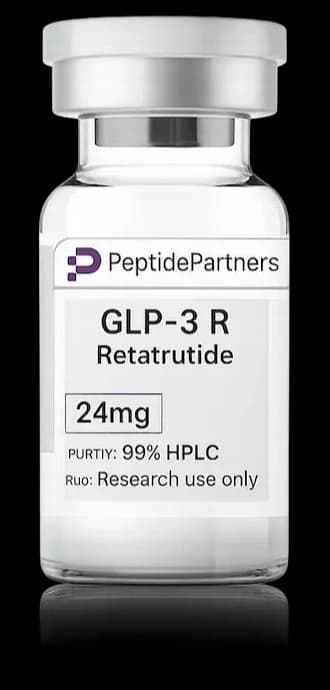
Retatrutide reconstitution reference
Field
Common vial size
Value
Field
BAC water
Value
Field
Concentration
Value
Field
Common dose
Value
Field
Solvent
Value
Retatrutide is newer and users often report slower dissolution times around 3-5 minutes. Let the vial rest if small particles remain instead of forcing the process. Quality varies by source, so pair reconstitution discipline with strict supplier verification. Sourcing context: How Do You Get Retatrutide?.
TB-500 reconstitution reference
Field
Common vial size
Value
Field
BAC water
Value
Field
Concentration
Value
Field
Common dose
Value
Field
Solvent
Value
TB-500 usually dissolves rapidly when water is added along the wall. Because many users mix this peptide at concentrated ratios, verify syringe units carefully before each draw. Full dosing reference: TB-500 Protocol on PDP.
CJC-1295 / Ipamorelin reconstitution reference
Field
Common vial size
Value
Field
BAC water
Value
Field
Concentration
Value
Field
Common dose
Value
Field
Solvent
Value
Blended vials need careful documentation because two active compounds share one concentration. Keep the same BAC water ratio for each new vial so dose tracking stays consistent. Many protocols time administration around fasting windows. Full dosing reference: CJC-1295 No DAC Protocol on PDP and Ipamorelin Protocol on PDP.
GHK-Cu is the most common case. The copper-bound peptide is poorly soluble in neutral water. Many GHK-Cu vials ship pre-formulated to accept BAC water, but if yours stays cloudy after 30 minutes of gentle swirling, you almost certainly need 0.6% acetic acid water. AOD-9604 often gels in plain BAC water. IGF-1 LR3 and Fragment 176-191 also tend to aggregate without mild acid. GHRP-2, GHRP-6, and some Melanotan batches dissolve more reliably in acidic solvent depending on the manufacturer.
For any of these compounds, check the supplier's reconstitution note before mixing. If acetic acid water is required, the typical approach is to dissolve the powder fully in a small volume of 0.6% acetic acid water first, then top up with BAC water to your final volume.
Two CSV-level questions come up over and over: do I need different needles for mixing and injecting, and what gauge should I use? Here's the short version.
A 3 mL mixing syringe with an 18-22G blunt tip is the right tool for transferring BAC water into the peptide vial. The bigger barrel makes the volume easier to read, and the blunt tip is gentler on the rubber stopper across multiple uses. Use a fresh U-100 insulin syringe (29-31G, 0.3 mL or 0.5 mL) for every individual dose. Never reuse needles between vials — cross-contamination risk jumps the moment a used needle moves to a new vial.
Common needle gauges for reconstitution workflows
Use
Transferring BAC water
Gauge
Typical Length
Why
Use
Drawing a dose from the vial
Gauge
Typical Length
Why
Use
Subcutaneous injection
Gauge
Typical Length
Why
Use
Intramuscular injection
Gauge
Typical Length
Why
Most peptide protocols use subcutaneous injection. Intramuscular is the exception, not the rule.
Yes. Use a fresh sterile syringe and needle for each dose. The needle dulls slightly with each puncture, the inside is no longer sterile after first use, and the risk of contaminating the vial rises every time. The cost of insulin syringes is small compared to ruining a peptide vial.
Peptide storage guidelines
Form
Lyophilized (powder)
Temperature
Shelf Life
Key Notes
Form
Reconstituted (liquid)
Temperature
Shelf Life
Key Notes
Form
BAC water (opened)
Temperature
Shelf Life
Key Notes
Form
BAC water (sealed)
Temperature
Shelf Life
Key Notes
If clarity, color, or odor changes during storage, discard the vial and prepare a fresh one.
Drawing a dose into a syringe and storing it for later is not recommended. Pre-filled syringes can lose accuracy over time, the rubber plunger seal can interact with the solution, and any sterility margin you had drops the moment the needle is exposed. If you need to dose away from your normal workspace, carry the vial in a cold pack instead and draw on-site.
Cloudiness usually means one of three things. First, rough handling — water hit the powder too hard or the vial was shaken. Second, wrong solvent — the peptide may need acetic acid water instead of BAC. Third, a quality issue with the source. Gently swirl and let the vial rest 15-30 minutes. If cloudiness remains, do not use the vial and contact your supplier.
Some compounds need more time. Swirl gently, avoid shaking, and let the vial rest in the refrigerator for 15-30 minutes. If a small amount of undissolved material persists after 30+ minutes — and you have ruled out the acetic-acid-water cases — treat the vial as compromised.
Foam usually comes from injecting too quickly. Let the vial sit 10-15 minutes to settle. Small bubbles are normal; persistent dense foam is a warning sign that mixing force was too high.
If the final solution remains clear and colorless after a full dissolve, it may still be usable. Next time, angle the needle toward the vial wall to avoid direct impact. If cloudiness appears, discontinue use and replace.
Use a vent needle for 2-3 seconds after adding liquid, or inject a small amount of air to equalize pressure before drawing. Pressure balance improves draw smoothness and prevents sudden plunger jumps.
This can happen when a solution is mixed too concentrated for that peptide, or when the peptide needed acetic acid water. Do not try to fix it by adding more BAC water — that does not solve a pH problem. If particles remain after 30 minutes, treat the vial as degraded.
Tap the syringe gently to float bubbles up, then push the plunger to expel them. Small bubbles in a subcutaneous injection are not dangerous, but they reduce the measured volume. Recheck the unit reading after expelling air.
Sanitize your workspace and both vial stoppers with alcohol. Draw the calculated amount of bacteriostatic water with a mixing syringe, then inject it slowly down the inside wall of the peptide vial. Let the solution dissolve with a gentle swirl, label the vial, and refrigerate it immediately. Use the PepPal calculator before mixing so the final concentration and syringe units are accurate.
The default solvent is bacteriostatic water (BAC water). It contains 0.9% benzyl alcohol as a preservative, which lets you draw from the same vial multiple times over about 28 days. Sterile water can be used for single-use preparation but has no preservative. A small group of peptides — GHK-Cu, AOD-9604, IGF-1 LR3, Fragment 176-191 — need 0.6% acetic acid water because they do not dissolve cleanly in neutral water.
Sterile water works for single-use preparation, but it has no preservative. Bacteriostatic water contains 0.9% benzyl alcohol, which helps suppress bacterial growth in multi-dose handling. If sterile water is required for a specific peptide, plan to use the mixed solution quickly and limit punctures. For most multi-dose vial workflows, bacteriostatic water is preferred.
Yes — sterile water for single-use preparation, and 0.6% acetic acid water for peptides that do not dissolve cleanly in neutral water (GHK-Cu, AOD-9604, IGF-1 LR3, Fragment 176-191, sometimes GHRP-2 and GHRP-6, and some Melanotan batches). Do not use tap water, distilled water, bottled water, or saline. These are not sterile injectable solvents and they lack the preservative profile needed for multi-dose handling.
It depends on your vial size and target dose precision. A common setup is 1 mL of BAC water per 5 mg of peptide, but 2 mL or 3 mL is often used for easier low-dose unit measurement. More water lowers concentration and usually makes tiny doses easier to measure on a U-100 syringe. The PepPal calculator will recommend a ratio if you tell it your dose target.
Use this formula: total peptide amount in mg divided by total BAC water in mL equals concentration in mg/mL. Convert to mcg/mL by multiplying mg/mL by 1,000. For example, 10 mg in 2 mL equals 5 mg/mL or 5,000 mcg/mL. On a U-100 syringe, 10 units equals 0.1 mL, so each 10 units would deliver 500 mcg in that example. The PepPal calculator does this math automatically.
Common ratios: 5 mg in 2 mL gives 2,500 mcg/mL. 10 mg in 2 mL gives 5,000 mcg/mL. 10 mg in 3 mL gives 3,333 mcg/mL. 30 mg in 3 mL gives 10,000 mcg/mL. Pick a ratio based on your target dose — if your dose lands below 5 units on a U-100 syringe, use more water for easier reading. See the full vial-size math reference table above.
Use more BAC water, not less. A more dilute solution means more units per microgram on the syringe, which is easier to read. Example: a 5 mg semaglutide vial in 1 mL gives 5,000 mcg/mL, and a 100 mcg microdose is only 2 units. Mix the same 5 mg vial in 3 mL instead and the same 100 mcg dose is 6 units — much easier to draw without overshooting.
Yes. Use a fresh sterile syringe and needle for every dose and for every vial. The needle dulls slightly with each puncture, the inside is no longer sterile after first use, and the risk of contaminating the vial rises every time. Reusing needles between two different vials is one of the most common contamination paths.
It's recommended. Use a 3 mL mixing syringe with an 18-22G blunt tip to transfer BAC water — the bigger barrel makes volumes easier to read and the blunt tip is gentler on the rubber stopper. Use a fresh U-100 insulin syringe (29-31G, 0.3 mL or 0.5 mL) for measuring and injecting doses. Two separate syringes is cleaner and more accurate than one syringe doing both jobs.
Yes. The mixing syringe (3 mL with 18-22G blunt tip) is used once to transfer BAC water into the peptide vial. The dosing syringe (U-100 insulin syringe, 29-31G) is used for each individual dose. Keeping them separate improves draw accuracy, reduces stopper wear, and limits cross-contamination.
Not recommended. Pre-filled syringes can lose dose accuracy over time, the rubber plunger seal can interact with the solution, and sterility drops the moment the needle is exposed. If you need to dose away from your workspace, carry the vial in a cold pack and draw on-site instead of pre-loading a syringe.
A common handling rule is up to 28 days refrigerated after reconstitution with bacteriostatic water. Actual stability depends on peptide chemistry, concentration, storage temperature, and handling quality. Keep vials protected from light and avoid temperature swings. If clarity, color, or odor changes, discard the vial.
Yes. Reconstituted peptide solutions are typically stored at 2-8°C (36-46°F). Refrigeration slows degradation and helps preserve concentration consistency over the usable window. Return the vial to the fridge immediately after each draw — short room-temperature exposure is normal during dosing, but long room-temperature storage is not.
Three common causes. First, the powder needs more time — let it rest 15-30 minutes in the refrigerator without shaking. Second, the peptide needs acetic acid water instead of BAC water — common with GHK-Cu, AOD-9604, IGF-1 LR3, and Fragment 176-191. Third, the vial may be compromised. Do not force dissolution by shaking. If powder remains after 30 minutes in the right solvent, contact your supplier.
Shaking creates foam and shear stress, which can damage delicate peptide structures. Even if the vial looks clear afterward, activity can be reduced compared with gentle handling. Swirling or rolling is the safer method for dissolving residual powder. If vigorous shaking caused lasting cloudiness, it is safer to discard the vial.
Warning signs include cloudiness, floating particles, color change, or unusual odor. A properly mixed solution should appear clear and colorless. If appearance changes after storage, do not try to salvage it with aggressive shaking or warming. Discard questionable vials and prepare a fresh one.
Pull the plunger back to draw air equal to the volume you plan to withdraw. Insert the needle into the BAC water vial (or peptide vial) and push the air in before drawing liquid. This equalizes pressure inside the vial and makes the draw smoother. For BAC water, 1-3 mL of air typically matches the planned draw volume.
After injecting BAC water, the vial often holds positive pressure that makes future draws harder. Before removing the mixing syringe, insert a second empty needle through the stopper for 2-3 seconds to release the pressure. Remove the vent needle first, then the mixing syringe. This is optional but it noticeably improves dose-draw consistency on multi-dose vials.
Yes — for specific peptides. 0.6% acetic acid water is the standard option for GHK-Cu (copper complex), AOD-9604, IGF-1 LR3, Fragment 176-191, and sometimes GHRP-2, GHRP-6, and Melanotan I/II. These compounds do not dissolve cleanly in neutral BAC water because they need a mildly acidic environment. Do not switch solvents based on forum anecdotes — follow the supplier's reconstitution note.
Remove the plastic flip-off cap only. Do not remove the aluminum crimp ring under it — that ring secures the rubber stopper to the vial. Once the plastic cap is off, sanitize the exposed stopper with alcohol and puncture through it as normal. Removing the crimp ring compromises vial integrity.
No. Bottled, distilled, and tap water are not sterile injectable solvents. They also lack the preservative profile needed for multi-dose punctures. Use only medical-grade bacteriostatic water or sterile water for injection — and 0.6% acetic acid water for the specific peptides that need it.
A mixing syringe is usually a 3 mL setup with an 18-22G blunt tip used to transfer BAC water. An injection syringe is a U-100 insulin syringe in the 29-31G range used for measured dose units. Keeping these tools separate improves precision, reduces contamination, and minimizes wear on vial stoppers.
With bacteriostatic water, multi-dose use is common over a 28-day handling window. The exact number of draws depends on your dosing protocol and vial concentration. Sanitize the stopper with alcohol before every puncture and use a new sterile needle each time. If sterility is in doubt, stop using that vial.
Not exactly. Reconstitution means converting a freeze-dried powder into a liquid solution. Dilution means changing concentration after a solution already exists, usually by adding more solvent. The terms get used interchangeably in casual conversation, but they describe different steps in the workflow.
Preferred supplier
Peptide PartnersNeed peptides? Start with a verified supplier.
PepPal's recommended source with current discount access and established testing standards.
Enter your vial size, BAC water volume, and target dose. Get exact syringe units in seconds. Works for every peptide on this page.
Open Calculator