
Healing peptide comparison
BPC-157 vs TB-500: The Healing Peptide Comparison (2026)
Quick answer: BPC-157 and TB-500 are both synthetic healing peptides, but they work through different mechanisms and fit different situations. BPC-157 is a 15-amino-acid peptide (pentadecapeptide) best known for localized tissue repair, including tendons, ligaments, gut lining, and drives healing through VEGF-mediated angiogenesis, meaning VEGF signals endothelial cells to grow new blood vessels for repair, and fibroblast signaling[1][2]. TB-500 is a synthetic 43-amino-acid analog of thymosin beta-4 that works systemically by sequestering G-actin, which accelerates cell migration, angiogenesis, and wound closure[6][7]. Neither is FDA-approved for any human use. Both are on WADA's S0 Non-Approved Substances list[3][8]. Most researchers I've spoken with use them together rather than choose between them. This is commonly known as the Wolverine Stack.
I've spent the last six months reviewing Finnrick test reports across five suppliers, cross-checking the original Sikiric (BPC-157) and RegeneRx (TB-500) clinical data against what vendors are currently shipping, and running reconstitution math for both compounds at every common vial size. This guide consolidates what I found across mechanism, dosing, reconstitution, safety, suppliers, and when each peptide actually fits into the kind of side-by-side comparison I wish had existed when I first started researching these two.
If you're here because you're deciding between BPC-157 and TB-500, or trying to decide whether to run them together, read the mechanism and use-case sections first, then go to the dosing and reconstitution tables. Bookmark the PepPal Reconstitution Calculator for the math.
Use this as a practical checkout checklist: start with a reviewed supplier, add baseline blood testing, then gather the common supplies you need before ordering.
Vetted Supplier Shopping Cards
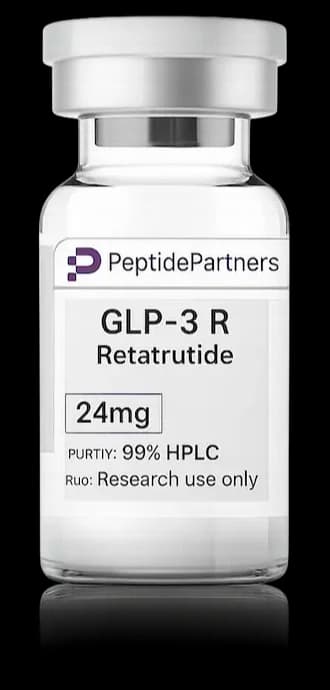
Peptide Partners
At-Home Blood Test
More Supplies
Disclosure: supply links may earn PepPal a commission at no cost to you.
Companion Supplies & Routine Support
What Is BPC-157?
BPC-157, "Body Protection Compound-157," is a synthetic pentadecapeptide (15 amino acids) derived from a partial sequence of human gastric juice protein[1]. Unlike most therapeutic peptides, its sequence shares no homology with any known endogenous human peptide, which is part of why it's been so difficult to characterize pharmacokinetically[1].
What it does mechanistically: BPC-157 upregulates growth factor expression, particularly VEGF (vascular endothelial growth factor) and EGR-1 (early growth response-1), at the site of injury[1][2]. It stimulates fibroblast proliferation, increases nitric oxide production, and drives angiogenesis. The effect is predominantly localized rather than systemic.
Clinical status: This is the uncomfortable part. When I went through the human trial literature, there are only three published pilot studies on injectable BPC-157 as of early 2026[4][5]. The original Phase I safety trial (NCT02637284) enrolled 42 healthy volunteers in 2015 but was cancelled and never published results. No public explanation was given[4][5]. A 2025 IV safety pilot (PMID 40131143) administered 10 mg and 20 mg doses to two adults with no measurable adverse effects on cardiac, liver, kidney, or thyroid biomarkers[5]. That's the extent of the rigorous human data. Everything else on BPC-157 is preclinical (rodent models) or retrospective clinical observation[4].
Regulatory: The FDA placed BPC-157 on its Category 2 bulk drug substance list in 2023, effectively blocking compounding pharmacies from preparing it[1]. In April 2026, the FDA removed BPC-157 from Category 2 effective April 22, but that procedural change did not add it to the 503A bulks list or authorize compounding. BPC-157 now moves to the July 2026 PCAC review track[10]. Follow PepPal's April 2026 Category 2 removal explainer for the current status.
For a full dosing protocol with titration, reconstitution tables, and clinical references, see the BPC-157 protocol page on PDP.
What Is TB-500?
TB-500 is a synthetic analog of thymosin beta-4 (Tβ4), a 43-amino-acid peptide naturally present in almost every cell in the human body[6][7]. The "TB-500" product is N-terminally acetylated, which protects it from serial cleavage at the C-terminus by human liver microsomes, essentially making it more stable than native Tβ4 would be[7]. Functionally, TB-500 and thymosin beta-4 are treated as equivalent in the literature.
What it does mechanistically: TB-500's primary target is actin, the most abundant structural protein in mammalian cells[6]. By binding and sequestering G-actin (monomeric actin), TB-500 regulates the rate at which cells can form filaments, change shape, and migrate. When tissue is injured, cells need to move to the injury site, divide, and rebuild; TB-500 accelerates that migration step[6][7]. Secondary effects include angiogenesis via cell-surface ATP synthase interaction, and anti-inflammatory signaling.
Clinical status: TB-500 has more actual human data than BPC-157, though still nowhere near FDA approval. RegeneRx Biopharmaceuticals ran Phase II trials in venous stasis ulcers (NCT00832091) and neurotrophic keratopathy (dry eye) through the 2010s[6][8]. A Phase I IV safety trial with synthetic Tβ4 at doses from 42 mg to 1260 mg over 14 days reported no dose-limiting toxicities and a dose-proportional pharmacokinetic profile[9]. The venous ulcer trial showed a 45% improvement in median wound healing time vs. placebo in fully healed patients[6][8]. RegeneRx ultimately couldn't fund Phase III, which is a pattern with peptides that can't be strongly patented.
Regulatory: TB-500 is on the FDA Category 2 list alongside BPC-157 and subject to the same February 2026 reclassification signal[10]. It's banned by WADA under class S0 (Non-Approved Substances) and is detectable in anti-doping screens[8].
For dosing and reconstitution specifics, see the TB-500 protocol page on PDP.
BPC-157 vs TB-500: Side-by-Side Comparison
Here's the core comparison across every dimension that matters for a research or recovery decision.
| Feature | BPC-157 | TB-500 |
|---|---|---|
| Full name | Body Protection Compound-157 | Thymosin Beta-4 (synthetic acetylated fragment) |
| Amino acids | 15 (pentadecapeptide) | 43 (full-length synthetic Tβ4) |
| Primary mechanism | VEGF/EGR-1 upregulation, fibroblast stimulation, NO production[1][2] | G-actin sequestration, cell migration, angiogenesis via ATP synthase[6][7] |
| Effect profile | Localized / site-specific | Systemic / whole-body |
| Best for (research context) | Tendon, ligament, gut mucosa, joint-adjacent repair | Systemic recovery, post-surgical healing, cardiovascular tissue |
| Half-life (observed) | Short; dosed more frequently | Longer; dosed less frequently[9] |
| Typical community dose | 250–500 mcg/day SC | 2–5 mg 1–2×/week SC |
| Oral bioavailability | Some evidence for gut-localized effects[4] | Effectively none; injection only |
| Published human trials | 3 small pilot studies (<30 subjects)[4][5] | Phase II ulcer/dry eye trials, Phase I safety[6][8][9] |
| FDA status (August 2026) | Category 2 (reclassification announced Feb 2026)[10] | Category 2 (reclassification announced Feb 2026)[10] |
| WADA status | S0 Prohibited[3] | S0 Prohibited[8] |
| Common vial sizes | 5 mg, 10 mg | 5 mg, 10 mg |
The one-sentence summary: BPC-157 is the localized repair signal; TB-500 is the systemic mobilization response. They address different phases of the same healing process, which is why the Wolverine Stack combines both.
Mechanism Deep-Dive: How They Differ at the Cellular Level
Think of tissue repair like rebuilding a damaged section of a city. You need two things: a loud signal at the damaged street corner telling construction crews and supply trucks to show up, and a highway system that can move crews from anywhere in the city to that corner. BPC-157 is the loud signal. TB-500 is the highway.
BPC-157's signal model. The pentadecapeptide binds near the injury site and upregulates VEGF, which drives new blood vessel formation into the damaged tissue[1][2]. Simultaneously it stimulates fibroblast migration and collagen deposition, and increases local nitric oxide, which modulates vascular tone and inflammation. The outcome is measurable improvement in tendon-to-bone healing, intestinal anastomosis strength, and ligament repair in rodent models, though, as I noted, human data is very thin.
TB-500's mobilization model.Tβ4 doesn't just signal. It actively regulates the cellular machinery that lets cells move[6][7]. By sequestering G-actin monomers, TB-500 controls how quickly cells can rebuild their cytoskeleton and migrate. When wound fluid is analyzed, Tβ4 is one of the most abundant proteins present. Your body is already deploying it naturally at injury sites[7]. Administering synthetic TB-500 amplifies that mobilization systemically.
The mechanistic non-overlap is why the two peptides aren't redundant. You can upregulate VEGF with BPC-157 all day, but if the cells that need to migrate to the injury don't mobilize fast enough, you don't get the same outcome you'd get from running both.
When to Choose BPC-157, TB-500, or Both
This is the decision most researchers actually need to make. Here's how I'd frame it based on the mechanistic data and the published use cases.
Choose BPC-157 when the research target is local. Tendinopathy, ligament strain, specific joint pain, gut-related inflammation, or a well-localized musculoskeletal injury. The pentadecapeptide's strength is delivering a strong local healing signal, especially when injected near the affected tissue[1][2]. It's also the only one of the two with any evidence of oral bioavailability for gut-targeted effects[4].
Choose TB-500 when the research target is systemic. Post-surgical recovery across multiple tissue types, cardiovascular tissue, broad inflammatory conditions, or when an injury is too diffuse to localize (e.g., chronic overuse syndromes). TB-500's systemic cell-migration effect is exactly what broad-spectrum recovery scenarios call for[6][7].
Choose both (the Wolverine Stack) when the goal is comprehensive recovery. This is the most common use pattern in the research community. BPC-157 delivers the localized fibroblast and angiogenic signal; TB-500 mobilizes the systemic cell migration response. For a full stacked protocol with loading/maintenance schedules and reconstitution math, see How Do You Get the Wolverine Stack or the Wolverine Stack protocol page. Also read Peptide Stacking 101 for general stack-design principles before combining.
Dosing Comparison
These are community-derived protocols, not clinical-trial titration schedules. No randomized human trial has established optimal dosing for either peptide at the doses currently used in research settings[4][6]. Dosing data below is extrapolated from preclinical studies, retrospective clinical observation, and community protocols, always labeled as community-derived.
| Parameter | BPC-157 | TB-500 |
|---|---|---|
| Loading dose (weeks 1–4) | 250–500 mcg once or twice daily | 2–5 mg twice weekly |
| Maintenance dose (weeks 5+) | 250 mcg daily or EOD | 2 mg once weekly |
| Route | Subcutaneous (some oral protocols for gut indications) | Subcutaneous only |
| Typical cycle length | 4–8 weeks | 4–8 weeks |
| Off-cycle period | 2–4 weeks | 2–4 weeks |
| Split dosing same day? | Yes; AM/PM splitting is common | Not typical; dosed less frequently |
When I ran the math for a typical 8-week Wolverine Stack cycle at 500 mcg BPC-157 daily + 5 mg TB-500 loading (2× weekly for 4 weeks) then 2 mg maintenance, the total compound required is roughly 28 mg BPC-157 and 28 mg TB-500. That works out to one 10 mg BPC-157 vial per month and one 10 mg TB-500 vial covering ~4–5 weeks.
For a full loading/maintenance titration schedule with weekly dosing grids, see the individual BPC-157 protocol and TB-500 protocol pages on PDP.
Reconstitution Math: Both Compounds
Reconstituting these two peptides uses the same procedure (see How to Reconstitute Peptides for the step-by-step), but the math differs because of the very different dose scales: BPC-157 is dosed in micrograms; TB-500 is dosed in milligrams. I ran these tables at 2 mL BAC water, which is the most common reconstitution volume for both compounds.
BPC-157 reconstitution (dosed in mcg)
| Vial Size | BAC Water | Concentration | 250 mcg dose | 500 mcg dose |
|---|---|---|---|---|
| 5 mg | 2 mL | 2,500 mcg/mL | 0.10 mL (10 U on U-100) | 0.20 mL (20 U on U-100) |
| 10 mg | 2 mL | 5,000 mcg/mL | 0.05 mL (5 U on U-100) | 0.10 mL (10 U on U-100) |
TB-500 reconstitution (dosed in mg)
| Vial Size | BAC Water | Concentration | 2 mg dose | 5 mg dose |
|---|---|---|---|---|
| 5 mg | 2 mL | 2.5 mg/mL | 0.80 mL (80 U on U-100) | Not feasible; full vial |
| 10 mg | 2 mL | 5 mg/mL | 0.40 mL (40 U on U-100) | 1.00 mL (100 U on U-100) |
Unit reminder: BPC-157 is dosed in micrograms (mcg). TB-500 is dosed in milligrams (mg). A 500 mcg BPC-157 dose is 0.5 mg, ten times smaller than a typical TB-500 dose. Confusing the two is one of the most common mistakes with this stack, and the consequences range from sub-therapeutic dosing (too little) to wasted product (too much). Label both vials clearly and never share a syringe between them.
For custom vial sizes, water volumes, or dose levels not shown above, use the free PepPal Reconstitution Calculator; it handles the unit conversion between mcg and mg automatically.
Side Effect Comparison
Both peptides have favorable safety profiles in the human data that exists, but the data that exists is limited.
BPC-157 side effects.The 2025 IV safety pilot reported no measurable effects on cardiac, liver, kidney, thyroid, or blood glucose biomarkers at 10 mg and 20 mg IV doses, but that's a two-person sample[5]. The 2016 orthopedic systematic review noted that anonymous online users report injection site pain, joint pain, anxiety, heart palpitations, fatigue, and mood changes, but these are self-reported and uncontrolled[1]. Given the absence of rigorous pharmacokinetic data and the 12–58% contamination rate documented across ergo-nutritional supplements[1], product quality matters more than dose precision here. Red flags for BPC-157 specifically are dose-dependent fatigue in the first week and any cardiovascular symptom.
TB-500 side effects. The Ruff 2010 Phase I trial administered IV doses up to 1260 mg for 14 days with no dose-limiting toxicities and only mild-to-moderate treatment-emergent adverse events[9]. Subcutaneous dosing at 2–5 mg/week produces a substantially lower plasma exposure than the Phase I IV doses. The main theoretical concern flagged in the literature is enhanced angiogenesis in the context of undiagnosed malignancy, which is why I published a separate guide on TB-500 and cancer risk that covers the Tβ4-overexpression data vs. exogenous TB-500 findings in detail.
Both compounds: Injection-site reactions (redness, temporary soreness) are the most common community-reported effect. Contamination from unverified suppliers is a much larger practical risk than direct peptide toxicity, which is why supplier vetting matters more than most discussions of these peptides acknowledge.
Supplier Comparison: Where to Get BPC-157 and TB-500
Both peptides are widely available through grey-market research peptide suppliers. Availability isn't the problem. Purity verification is.
Based on the Finnrick Analytics test reports I've reviewed, two suppliers consistently deliver A-grade quality for both compounds:
- Peptide Partners: Finnrick A rating across 59 tested samples in multiple product categories including BPC-157 and TB-500. USA-based, same-day FedEx 2-Day shipping, multi-lab verification. This is PepPal's #1 pick for most buyers and the supplier I personally reference most often in the Wolverine Stack context. Affiliate link: use code PEPPAL at checkout.
- Orbitrex Peptides: Finnrick A-rated with a broader catalog and single-vial order support, which makes them a stronger fit if you only need one compound at a time rather than a full stack. Affiliate link: use code PEPPAL at checkout.
For the full side-by-side supplier breakdown, see Peptide Partners vs Orbitrex Peptides. For the broader grey-market landscape including alternatives, see Best Grey Market Peptide Suppliers (2026). And regardless of which supplier you use, verify every order with a third-party COA. How to Read a Peptide COA covers what to look for on the test report.
Common Mistakes and Red Flags
Running both peptides is mechanically simple, but there are a handful of recurring mistakes I see in forum threads and supplier support tickets:
- Mixing BPC-157 and TB-500 in a single vial. Don't. Both compounds are more stable reconstituted separately, and combining them introduces compatibility unknowns that aren't supported by any stability data I've seen. Use separate vials and separate syringes.
- Confusing mcg and mg dosing.BPC-157 at 500 mcg and TB-500 at 5 mg look similar on a syringe if you've just reconstituted both at the same concentration, but 500 mcg = 0.5 mg, which is 10× smaller than a typical TB-500 dose. Label every vial.
- Dosing TB-500 daily.TB-500's longer half-life[9] makes daily dosing unnecessary. Twice-weekly loading followed by once-weekly maintenance is the standard community protocol. Daily dosing burns through product without improving the outcome.
- Ignoring supplier verification.The single biggest variable in whether these peptides work is whether you're actually getting what's on the label. Without a third-party COA, you're trusting the vendor's QC blindly.
- Running too long.Both compounds are typically cycled 4–8 weeks on, 2–4 weeks off. Continuous year-round dosing isn't supported by any data and isn't how these compounds appear in the available clinical protocols.
Frequently Asked Questions
Is BPC-157 or TB-500 better for healing tendons?
BPC-157 has the stronger mechanistic case for tendons specifically, because its VEGF upregulation and fibroblast stimulation drive the localized angiogenic and collagen-deposition steps that tendon-to-bone repair depends on[1][2]. The rodent model data for tendon-specific BPC-157 healing is extensive. TB-500 contributes systemic cell migration, which supports tendon repair indirectly. In practice, most researchers I've spoken with run both together for tendon injuries rather than choosing. See the BPC-157 protocol for tendon-specific dosing notes.
Can you stack BPC-157 and TB-500?
Yes, this combination is so common it has a nickname (the Wolverine Stack). The two peptides work through non-overlapping mechanisms: BPC-157 provides the localized healing signal; TB-500 provides systemic cell-migration mobilization. Standard protocol runs both for 4–8 weeks with BPC-157 dosed daily and TB-500 dosed twice weekly during loading, then once weekly during maintenance. For the full stacked protocol with reconstitution math, see How Do You Get the Wolverine Stack.
What's the main difference between BPC-157 and TB-500?
Mechanism of action and effect profile. BPC-157 is a 15-amino-acid peptide that upregulates growth factors (VEGF, EGR-1) at a local injury site to drive angiogenesis and fibroblast activity[1][2]. TB-500 is a 43-amino-acid thymosin beta-4 analog that acts systemically by sequestering actin monomers to accelerate cell migration and broad-spectrum tissue repair[6][7]. BPC-157 is localized; TB-500 is systemic.
Is BPC-157 stronger than TB-500?
Neither is "stronger"; they do different things. BPC-157 produces a more powerful local healing signal at a specific injury site. TB-500 produces a broader systemic mobilization response. In terms of dose scale, TB-500 is dosed in milligrams (2–5 mg) and BPC-157 is dosed in micrograms (250–500 mcg), so the absolute amount of peptide required is ~10× higher for TB-500, but that reflects different potency at different targets, not overall strength.
How long does BPC-157 take to work vs TB-500?
Community protocols typically report initial subjective effects from BPC-157 within 1–2 weeks for localized injuries and 2–4 weeks for more systemic issues. TB-500 tends to show effects more gradually, with most reports describing 3–4 weeks before meaningful recovery changes. Both peptides are generally run in 4–8 week cycles, and running them together (Wolverine Stack) tends to produce faster onset than either alone, though this is community-derived observation, not controlled trial data.
Are BPC-157 and TB-500 legal?
Neither is FDA-approved for any human use. In April 2026, the FDA removed BPC-157 and TB-500 from Category 2 effective April 22, but that action did not add either peptide to the 503A bulks list or authorize compounding[10]. Both are headed to the July 2026 PCAC meeting for further review. Both are also on WADA's S0 Prohibited Substances list[3][8] and banned by major professional and collegiate sports leagues. For the current regulatory status, see PepPal's April 2026 Category 2 removal update and the earlier March fact-check.
Which peptide has more human trial data?
TB-500 has more rigorous human data. RegeneRx ran Phase II trials for venous stasis ulcers (NCT00832091) and dry eye/neurotrophic keratopathy, and Ruff et al. (2010) completed a Phase I IV safety trial at doses from 42 to 1260 mg over 14 days with no dose-limiting toxicities[6][8][9]. BPC-157 has only three published human pilot studies totaling fewer than 30 subjects, and the original Phase I trial (NCT02637284) was cancelled in 2016 without publishing results[4][5]. Neither has the level of trial data required for FDA approval.
Can BPC-157 be taken orally?
There's some evidence supporting oral BPC-157 for gut-localized effects. It's the one application where oral dosing isn't automatically dismissed[4]. For systemic or musculoskeletal repair, subcutaneous injection is the route used in virtually all published protocols. TB-500 has essentially no oral bioavailability and is injection-only[6][7].
What vial size should I buy for a Wolverine Stack?
For an 8-week cycle at 500 mcg BPC-157 daily + 5 mg TB-500 loading (2×/week for 4 weeks) then 2 mg maintenance, you need roughly 28 mg of BPC-157 and 28 mg of TB-500. That's one 10 mg BPC-157 vial per month and one 10 mg TB-500 vial covering ~4–5 weeks. If you prefer to buy fewer vials upfront, most suppliers offer both compounds in 10 mg sizes, and the 10 mg vial is usually the best per-mg value.
How do I calculate syringe units for BPC-157 and TB-500?
Use the PepPal Reconstitution Calculator: enter the vial size, BAC water volume, and target dose, and it returns the syringe units on a U-100 insulin syringe. The calculator handles the mcg/mg unit conversion automatically, which is where most of the dosing math errors happen when people do this by hand. For the underlying math see How to Reconstitute Peptides.
Do BPC-157 and TB-500 cause cancer?
The direct evidence linking either exogenous peptide to cancer initiation in humans is thin. Concerns come from two places: native thymosin beta-4 is overexpressed in some cancer tissues (correlational, not causal), and both peptides drive angiogenesis, which theoretically could accelerate tumor growth in the context of an undiagnosed malignancy. I covered the full TB-500 cancer risk evidence separately in Does TB-500 Cause Cancer? What the Research Shows. The practical takeaway is that anyone using either compound should have established cancer screening appropriate for their age, sex, and family history, and should stop immediately if any suspicious symptom develops.
Is this medical advice?
No. I'm not a doctor. I'm an independent researcher, B.S. Civil Engineering, UCLA, who compiles peptide research from primary sources and supplier testing data (see methodology). Everything in this guide is educational reference material intended for research contexts. Neither BPC-157 nor TB-500 is FDA-approved for human therapeutic use. Consult a qualified healthcare provider before making any decision that affects your health.
Preferred supplier
Peptide PartnersNeed peptides? Start with a verified supplier.
PepPal's recommended source with current discount access and established testing standards.
Next Steps
- Calculate your dosing: PepPal Reconstitution Calculator handles BPC-157 (mcg) and TB-500 (mg) math automatically.
- Buy from verified suppliers: Peptide Partners (#1 pick) or Orbitrex Peptides (single-vial orders). Use code PEPPAL.
- Run the full stack: How Do You Get the Wolverine Stack and the Wolverine Stack protocol on PDP.
- Deep-dive each compound: BPC-157 protocol · TB-500 protocol.
- Learn the prep workflow: How to Reconstitute Peptides · How to Read a Peptide COA.
Join the mailing list for new PepPal blog releases.
Get notified when new sourcing explainers, COA breakdowns, and calculator-linked research guides go live. Same lightweight signup flow as PDP, with page-source tracking on each submission.
Email signup
One field. PepPal blog updates, supplier research, and calculator workflows only.
Sources & Research
- [1] Winston, T. et al. "Emerging Use of BPC-157 in Orthopaedic Sports Medicine: A Systematic Review." PMC/National Library of Medicine. 2025. https://pmc.ncbi.nlm.nih.gov/articles/PMC12313605/
- [2] Sikiric, P. et al. "Stable Gastric Pentadecapeptide BPC 157 and Wound Healing." Pharmaceuticals. 2024. https://pubmed.ncbi.nlm.nih.gov/?term=BPC+157+Sikiric
- [3] United States Anti-Doping Agency. "BPC-157: Experimental Peptide Creates Risk for Athletes." USADA. 2025. https://www.usada.org/spirit-of-sport/bpc-157-peptide-prohibited/
- [4] Operation Supplement Safety (DoD). "BPC-157: A prohibited peptide and an unapproved drug found in health and wellness products." OPSS. 2025. https://www.opss.org/article/bpc-157-prohibited-peptide-and-unapproved-drug-found-health-and-wellness-products
- [5] Lipkin, R. et al. "Safety of Intravenous Infusion of BPC-157 in Humans: A Pilot Study." PubMed. 2025. PMID: 40131143. https://pubmed.ncbi.nlm.nih.gov/40131143/
- [6] Goldstein, A. L. & Kleinman, H. K. "Advances in the Basic and Clinical Applications of Thymosin β4." Expert Opinion on Biological Therapy. 2015;15(sup1):139–45. https://doi.org/10.1517/14712598.2015.1011617
- [7] Sosne, G. et al. "Thymosin Beta 4: A Potential Novel Therapy for Neurotrophic Keratopathy, Dry Eye, and Ocular Surface Diseases." Vitamins and Hormones. 2016;102:277–306. https://pubmed.ncbi.nlm.nih.gov/27450739/
- [8] ClinicalTrials.gov. "Study of Thymosin Beta 4 in Patients With Venous Stasis Ulcers." NCT00832091. https://clinicaltrials.gov/study/NCT00832091
- [9] Ruff, D. et al. "A Randomized, Placebo-Controlled, Single and Multiple Dose Study of Intravenous Thymosin Beta4 in Healthy Volunteers." Annals of the New York Academy of Sciences. 2010;1194:223–29. https://pubmed.ncbi.nlm.nih.gov/20536472/
- [10] FDA. "Certain Bulk Drug Substances for Use in Compounding that May Present Significant Safety Risks." U.S. Food and Drug Administration. Updated 2026. https://www.fda.gov/drugs/human-drug-compounding/certain-bulk-drug-substances-use-compounding-may-present-significant-safety-risks
Affiliate disclosure: PepPal includes affiliate links for Peptide Partners and Orbitrex Peptides. These relationships do not influence supplier rankings, which are based on Finnrick Analytics third-party testing data and our independent editorial methodology. See About PepPal for full methodology and Discount Codes for verified savings.
Educational content only. Not medical advice. BPC-157 and TB-500 are not FDA-approved for any human indication. Both are on the FDA Category 2 bulk drug substance list and WADA's S0 Prohibited Substances list. Consult a qualified healthcare provider before making any health-related decisions.