Copper peptide guide
GHK-Cu Guide: Dosing, Topical vs Injectable, Hair & Skin Results (2026)
Quick answer: GHK-Cu (glycyl-L-histidyl-L-lysine copper, also called Copper Tripeptide-1) is a naturally occurring copper-binding peptide used for collagen support, skin density, and early hair-loss work. The most common research-use injection dose is 1-2 mg subcutaneously once daily in 4-8 week cycles. Topical applications run at 1-3% concentrations twice daily for skin and on the scalp for hair. Injection delivers the highest systemic exposure; topical is more convenient, easier to experiment with, and is the format with the strongest published human trial data. GHK-Cu is not FDA-approved for injection and, after the April 15, 2026 FDA update, sits in a nuanced regulatory spot explained below[1][2][3][12].
GHK-Cu has been one of the fastest-growing peptide topics on PepPal because most guides still split into two weak camps: injection-only protocol pages that ignore the topical literature, or skincare explainers that barely address injection at all.
That split matters. The evidence base is stronger on topical use, while the anecdotal and practitioner interest is heavier on injection. The right route depends on your goal, your budget, and whether you actually want to reconstitute and inject a compound that is not FDA-approved in injectable form.
For this guide, I consolidated Pickart's gene expression review, the Leyden and Abdulghani skin trials, the Pamela hair pilot, the McGill-covered NEEL gel study, and the April 15, 2026 FDA update, then cross-checked the 50 mg and 100 mg reconstitution math against the PepPal Reconstitution Calculator. If a number here isn't tied to a source, I call it community-derived rather than pretending it's settled clinical guidance.
Use this as a practical checkout checklist: start with a reviewed supplier, add baseline blood testing, then gather the common supplies you need before ordering.
Vetted Supplier Shopping Cards
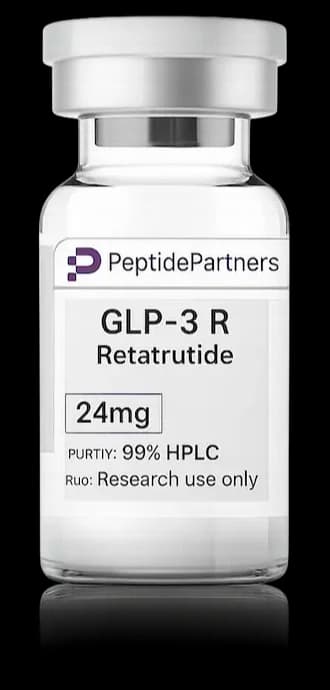
Peptide Partners
At-Home Blood Test
More Supplies
Disclosure: supply links may earn PepPal a commission at no cost to you.
Companion Supplies & Routine Support
What GHK-Cu Is
GHK-Cu is a three-amino-acid peptide (glycine-histidine-lysine) that binds a copper ion. Your body makes it naturally, but circulating levels decline with age, falling from roughly 200 ng/mL around age 20 to about 80 ng/mL by age 60[1].
It acts as a copper delivery system. Copper is a cofactor for enzymes involved in collagen and elastin cross-linking and antioxidant defense. Free copper can be damaging; protein-bound copper like GHK-Cu is targeted and biologically useful.
It changes gene expression at scale. Pickart and Margolina's review tied GHK-Cu to broad upregulation of repair, DNA-remodeling, and anti-inflammatory genes, while downregulating genes tied to chronic inflammation and tissue damage. The review cites effects on more than 4,000 genes, which is far broader than the receptor-specific mechanisms most peptides are known for[1].
Downstream, GHK-Cu increases collagen types I and III, elastin, decorin, and glycosaminoglycan synthesis in dermal fibroblasts and appears to help rebalance MMP/TIMP activity during tissue remodeling[1][6].
For the full mechanism breakdown, see the GHK-Cu protocol page on Peptide Dosing Protocols.
Topical vs Injectable GHK-Cu: How to Choose
This is the most common GHK-Cu question, and most pages answer it poorly by assuming injection is automatically better. That isn't what the evidence shows.
Topical GHK-Cu needs the right formulation to cross the skin barrier. A well-made 1-3% serum or gel in a lipid or nano-carrier can deliver meaningful peptide into the dermis. A weak cream can fail regardless of label concentration[7].
Injectable GHK-Cu bypasses the skin barrier entirely. Reconstituted in bacteriostatic water and injected subcutaneously, it provides near-complete systemic availability and broader tissue exposure than a localized topical application[7].
The stronger published human evidence is on topical. Leyden's 71-woman facial cream trial, the Abdulghani comparison against vitamin C and retinoic acid, and the later NEEL gel trial all point toward real collagen and skin-quality improvements from topical use[2][3][5]. Injectable GHK-Cu has no comparable randomized controlled trial base.
Choose topical if your goals are facial skin quality, early hair thinning, or starting with the route that has the best human evidence. Choose injectable if you want systemic exposure, deeper connective-tissue support, or to use GHK-Cu as part of a broader repair stack. Do both only if you understand the added cost, cycling, and uncertainty.
GHK-Cu Dosing Protocols
There are three practical formats: injectable, topical, and oral/sublingual. The guide evidence strongly favors the first two.
Injectable (subcutaneous)
| Phase | Duration | Dose | Frequency | Route |
|---|---|---|---|---|
| Initiation | Days 1-14 | 1.0 mg | Once daily, typically before bed | SubQ (abdomen, thigh, upper arm) |
| Maintenance | Days 15-56 (up to 8 weeks) | 1.0-2.0 mg | Once daily | SubQ |
| Off-cycle | 4-8 weeks | - | - | - |
Community protocols are fairly consistent: start at 1 mg/day, optionally escalate to 2 mg/day after two weeks, then cycle 4-8 weeks on with an equivalent or near equivalent off-period[8][9][11]. I favor the lower end because the 2007 hair-follicle work showed a hormetic response, where lower concentrations stimulated growth and higher concentrations inhibited it[10].
Topical
| Purpose | Concentration | Frequency | Duration |
|---|---|---|---|
| Facial anti-aging | 1-3% serum or cream | Twice daily | 12+ weeks (ongoing) |
| Eye area | 2% serum | Twice daily | 12+ weeks |
| Scalp (hair) | 1-2% serum | Once daily | 16+ weeks |
| Microneedling combo | 1-2% serum | Every 2-4 weeks, applied immediately after needling | As tolerated |
Leyden's clinical evidence sits in the 2-3% range, and the more aggressive hair and mesotherapy protocols move into higher concentrations or penetration-enhanced approaches[2][11]. Start conservative and let the formulation quality do the work.
Oral and sublingual: traditional oral GHK-Cu is not worth prioritizing because digestive breakdown limits absorption. Sublingual and liposomal variants exist, but the clinical support is weak compared with topical or injectable use.
Reconstitution Math for GHK-Cu
GHK-Cu is sold as a lyophilized blue-tinged powder. That blue tint is the copper. If a vial is clear or white, it's likely not the copper-bound compound described in this guide.
| Vial size | BAC water | Concentration | 1 mg dose | 2 mg dose |
|---|---|---|---|---|
| 10 mg | 1.0 mL | 10 mg/mL | 10 units | 20 units |
| 50 mg | 2.0 mL | 25 mg/mL | 4 units | 8 units |
| 50 mg | 3.0 mL | 16.67 mg/mL | 6 units | 12 units |
| 100 mg | 2.0 mL | 50 mg/mL | 2 units | 4 units |
| 100 mg | 3.0 mL | 33.33 mg/mL | 3 units | 6 units |
Units here refer to U-100 insulin syringe units, where 100 units equals 1 mL. I verified these rows against the PepPal Peptide Reconstitution Calculator.
Storage: lyophilized GHK-Cu can remain stable frozen for long periods. Reconstituted GHK-Cu is generally treated as a refrigerated 30-day-use compound. Discard if it turns cloudy or loses its copper-blue appearance.
For the step-by-step mixing workflow, see How to Reconstitute Peptides.
GHK-Cu for Skin & Collagen: What the Trials Show
This is the strongest-evidence use case for GHK-Cu.
Collagen density increases are measurable. Leyden's 12-week trial in 71 women showed improved skin density, thickness, laxity, and fine-line depth on objective measures[2]. The NEEL gel trial later reported a 28% average increase in subdermal collagen density over three months, with the top quartile seeing much larger improvement[5].
It beat vitamin C and retinoic acid in a direct comparison. Abdulghani's thigh-skin comparison found biopsy supported collagen increases in 70% of GHK-Cu-treated volunteers versus 50% for vitamin C and 40% for retinoic acid[3].
Wound and scar applications also make mechanistic sense. Preclinical work found faster closure, greater collagen synthesis, and lower inflammatory burden in wound models[1][6].
The important limitation is that the best skin-specific evidence is topical, not injectable. If skin is the main goal, the data-to-cost ratio favors a high-quality topical product first.
For a broader comparison across skin-focused peptides, see Best Peptides for Skin, Collagen & Anti-Aging.
GHK-Cu for Hair Loss: What the Evidence Says
Hair-loss coverage is where GHK-Cu gets the most hype-heavy treatment online. The evidence is thinner than the skin data, but it isn't nonexistent.
Mechanistically, GHK-Cu appears to help through angiogenesis, dermal papilla support, anti-inflammatory effects at the scalp, and extracellular matrix support around the follicle[1][9].
The best direct clinical signal is the 2021 Pamela pilot, which found improved hair fullness in men with androgenetic alopecia using topical copper tripeptide serum[4]. The ALAVAX work and later microneedling-plus-copper-peptide reporting also suggest measurable improvement, especially in early-to-moderate hair loss[14][15].
In practical terms, if hair is the only goal, I would start with a 1-2% topical GHK-Cu product applied daily and add light microneedling before I would add injections. That is the lowest-risk, highest-evidence path available right now.
GHK-Cu Side Effects and Safety
GHK-Cu's safety profile is generally favorable, but there are still real constraints.
Mild and local effects are most common. That usually means injection-site redness or itching, mild scalp tingling with topical use, or temporary skin dryness at higher concentrations[4][16].
Copper accumulation is the main systemic concern. That is why community protocols cycle 4-8 weeks on with an equivalent or similar off-period, and why people with Wilson's disease or other copper-metabolism disorders should not use exogenous GHK-Cu[9][16].
Pregnancy, breastfeeding, and active cancer are hard stops. These are not properly studied populations, and GHK-Cu's angiogenic and proliferative signaling makes unsupervised use a bad idea.
The injection data is limited.Large, randomized, injection-specific adverse event data does not exist. That doesn't prove high risk, but it does mean honest uncertainty remains.
Where FDA Category 2 Left GHK-Cu (April 2026)
This is the section most likely to age quickly, but the guide snapshot is clear.
On April 15, 2026, the FDA published a 503A bulk drug substances update that moved injectable and non-injectable GHK-Cu in different procedural directions[12][13].
- Injectable GHK-Cu was moved off the list of substances being treated as Category 2 significant-safety-concern candidates, with removal taking effect around April 22, 2026.
- Non-injectable GHK-Cu was removed from Category 1 after nomination withdrawal, not because it was newly labeled unsafe.
- Both routes remain pending broader PCAC review for February 2027 rather than sitting on a cleanly approved 503A list today.
In plain language: GHK-Cu is no longer carrying the same "significant safety concerns" label people were citing in early 2026, but it also is not fully settled from a compounding perspective. That is why you still need to treat it as a moving regulatory target.
For the broader category timeline, see RFK Jr. on Peptides: FDA Category 2 Fact Check.
Where to Get GHK-Cu (Supplier Quality)
Research-grade GHK-Cu is widely available. What matters is whether the seller shows real third-party testing, clear COA access, and a product that is visibly the copper-bound compound rather than generic marketing copy.
- Peptide Partners: is the current default PepPal source for GHK-Cu supply links. Confirm the product page, batch documentation, and current checkout terms before ordering. PepPal readers can use code PEPPAL at checkout when eligible.
- Orbitrex Peptides: remains a strong single-vial option if you want to test GHK-Cu without buying a larger multi-compound cart up front.
For the full supplier breakdown, see Peptide Partners vs Orbitrex Peptides and the broader supplier comparison at Best Grey Market Peptide Suppliers (2026).
For topical GHK-Cu, I still would not pretend to have a single best consumer serum pick. The formulation space changes too quickly. What I would check is clear concentration disclosure, stable packaging, and a delivery system that makes sense for dermal penetration.
For BAC water, syringes, and prep supplies, use Peptide Injection Supplies.
Common Mistakes with GHK-Cu
- Assuming injection is automatically better. For skin-specific goals, the strongest published data is on topical use.
- Treating concentration as everything. A poorly formulated 4% serum can underperform a better formulated 2% product.
- Mixing topical GHK-Cu with strong acids in the same application. Low pH can destabilize the copper complex.
- Running continuous injections without cycling. Copper accumulation is the real long-run concern.
- Buying white or clear "GHK-Cu" powder. The copper-bound form should be visibly blue.
How GHK-Cu Fits into Multi-Peptide Stacks
GHK-Cu appears most often in two named stacks on Peptide Dosing Protocols:
- GLOW Stack - GHK-Cu + BPC-157 + TB-500 for skin quality, collagen support, and tissue remodeling.
- KLOW Stack - GLOW plus KPV when inflammation control is a more important part of the protocol.
For general stack-design logic before combining compounds, read Peptide Stacking 101. If your focus is skin-first stacking, start with Best Peptides for Skin, Collagen & Anti-Aging.
Frequently Asked Questions
Is GHK-Cu FDA approved?
No. Injectable GHK-Cu is not FDA-approved and is sold only as research-use-only material. Topical GHK-Cu is used widely in cosmetics under the INCI name Copper Tripeptide-1, but that's cosmetic regulation, not drug approval. After the April 15, 2026 FDA 503A update, both injectable and topical GHK-Cu were removed from their previous compounding categories, with PCAC review scheduled for February 2027[12][13]. Legal status for physician-prescribed compounded GHK-Cu is evolving, so check current guidance before use.
What's the best GHK-Cu dose for skin?
For topical, a 1-3% serum applied twice daily is the dose range used in the Leyden, Abdulghani, and most clinical skin trials[2][3]. For injection, 1-2 mg once daily subcutaneously for 4-8 weeks, cycled, is the most common community protocol[8][9]. Skin-specific trial data is strongest on the topical route. Use the PepPal Reconstitution Calculator to convert injection doses to syringe units for your vial size.
Can GHK-Cu regrow hair?
The evidence supports meaningful hair improvement, including density, shedding reduction, and some regrowth, in early-to-moderate androgenetic alopecia, especially when paired with microneedling[4][11][14][15]. It's not a finasteride substitute for severe hormonally driven loss. Expect 16 weeks before drawing conclusions, and start with topical before adding injection.
Is topical GHK-Cu as good as injection?
Can I use GHK-Cu with retinoids?
Yes, but stagger the application times. Strong acids can destabilize the copper complex when applied together, so the standard practice is GHK-Cu in the morning and retinoid at night, or vice versa.
How do I reconstitute a 50 mg GHK-Cu vial?
The most common setup is 2 mL of bacteriostatic water added to a 50 mg vial, giving you 25 mg/mL. At that concentration, 1 mg equals 4 units on a U-100 insulin syringe and 2 mg equals 8 units. Verify your own concentration with the PepPal Peptide Reconstitution Calculator before injecting.
Does GHK-Cu have side effects?
In both topical and injectable form, side effects are typically mild and local, including injection-site redness or itching, mild scalp tingling with topical use, and occasional skin dryness at higher concentrations[4][16]. The bigger long-term concern is copper accumulation, which is why cycling is standard. People with Wilson's disease, copper-metabolism disorders, or active cancer should avoid GHK-Cu.
How long before I see results?
What's the difference between GHK and GHK-Cu?
GHK is the tripeptide alone. GHK-Cu is GHK bound to a copper ion. The copper-bound complex is what's biologically active for most repair and anti-aging applications, so a product sold as GHK without copper is not the same molecule.
Can I stack GHK-Cu with other peptides?
Yes. GHK-Cu pairs most commonly with BPC-157 and TB-500 for tissue repair in the GLOW Stack, with the addition of KPV for gut-and-inflammation coverage in the KLOW Stack. See Peptide Stacking 101 before combining compounds.
Is injectable GHK-Cu legal to buy?
In the United States as of August 2026, injectable GHK-Cu is sold grey-market under research-use-only labeling. It is not a scheduled substance, but possession for personal human use is not authorized. The April 15, 2026 FDA 503A update removed injectable GHK-Cu from Category 2 but did not add it to Category 1, leaving it in regulatory limbo pending the February 2027 PCAC review[12][13].
Verified source
Peptide PartnersGet GHK-Cu from a verified supplier
Our recommended supplier based on quality, pricing, and reliability.
Next Steps
- Reconstitution math: PepPal Peptide Reconstitution Calculator
- Supplier options with current Finnrick data: Best Grey Market Peptide Suppliers (2026)
- Injection supplies and BAC water: Peptide Injection Supplies
- Related blog: Best Peptides for Skin, Collagen & Anti-Aging
- Full protocol page: GHK-Cu on Peptide Dosing Protocols
- Stacking context: GLOW Stack · KLOW Stack
- How I research peptides for this site: About PepPal & Methodology
Join the mailing list for new PepPal blog releases.
Get notified when new sourcing explainers, COA breakdowns, and calculator-linked research guides go live. Same lightweight signup flow as PDP, with page-source tracking on each submission.
Email signup
One field. PepPal blog updates, supplier research, and calculator workflows only.
Sources & Research
- [1] Pickart L, Margolina A. "Regenerative and Protective Actions of the GHK-Cu Peptide in the Light of the New Gene Data." International Journal of Molecular Sciences. 2018. https://pmc.ncbi.nlm.nih.gov/articles/PMC6073405/
- [2] Leyden J, Stephens T, Finkey M, Appa Y, Barkovic S. "Skin Care Benefits of Copper Peptide Containing Facial Cream." Proceedings of the American Academy of Dermatology 60th Annual Meeting. 2002. Cited in Pickart & Margolina 2018. https://www.mdpi.com/1422-0067/19/7/1987
- [3] Abdulghani A, Sherr A, Shirin S, et al. "Effects of topical creams containing vitamin C, a copper-binding peptide cream and melatonin compared with tretinoin on photoaged skin." Journal of Geriatric Dermatology. 1998. https://www.mdpi.com/1422-0067/19/7/1987
- [4] Pamela RD. "Copper tripeptide serum improvement of hair fullness in men with pattern baldness: a placebo-controlled pilot study." 2021. Summarized by Hairgenetix. https://hairgenetix.com/blogs/articles/copper-tripeptide-serum-hair-loss-clinical-study-2021
- [5] Carey W / McGill University / Yuvan Research. IRB-approved clinical trial of NEEL gel (topical GHK-Cu), 21 women, 3 months. 2023. https://www.eurekalert.org/news-releases/990464
- [6] Badenhorst T, Svirskis D, Merrilees M, Bolke L, Wu Z. "Effects of GHK-Cu on MMP and TIMP Expression, Collagen and Elastin Production, and Facial Wrinkle Parameters." Journal of Aging Science. 2016. https://www.walshmedicalmedia.com/open-access/effects-of-ghkcu-on-mmp-and-timp-expression-collagen-and-elastin-production-and-facial-wrinkle-parameters-2329-8847-1000166.pdf
- [7] SeekPeptides. "GHK-CU Peptide Dosage: Complete Guide for Skin, Hair, and Healing Goals." 2026. https://www.seekpeptides.com/blog/articles/ghk-cu-peptide-dosage-guide
- [8] Salhab Pharmacy. "5 GHK Cu Peptide Injection Secrets 2026." 2026. https://www.salhabpharmacy.com/ghk-cu-injection/
- [9] Perfect B Medical (Doral, FL). "GHK-Cu Dosage and Protocol: A Medical Provider's Guide to the 30-Day Cycle." 2026. https://www.perfectb.com/ghk-cu-dosage-protocol/
- [10] Pyo HK, Yoo HG, Won CH, et al. "The effect of tripeptide-copper complex on human hair growth in vitro." Archives of Pharmacal Research. 2007. PMID: 17703808. https://pubmed.ncbi.nlm.nih.gov/17703808/
- [11] Hairgenetix. "Best GHK-Cu Hair Serums Compared (2026)." 2026. https://hairgenetix.com/blogs/articles/ghk-cu-hair-serum-comparison
- [12] U.S. Food and Drug Administration. "Certain Bulk Drug Substances for Use in Compounding that May Present Significant Safety Risks." Updated April 22, 2026. https://www.fda.gov/drugs/human-drug-compounding/certain-bulk-drug-substances-use-compounding-may-present-significant-safety-risks
- [13] Orrick, Herrington & Sutcliffe LLP. "FDA Announces Removal of 12 Peptides from Category 2 and Schedules PCAC Meetings to Consider Adding Peptides to 503A Bulk Drug Substances List." April 2026. https://www.orrick.com/en/Insights/2026/04/FDA-Announces-Removal-of-12-Peptides-from-Category-2-and-Schedules-PCAC-Meetings
- [14] Lee/Kim et al. "GHK Peptide + 5-ALA Hair Growth Randomized Controlled Trial (ALAVAX)." 2016. Summarized by Hairgenetix. https://hairgenetix.com/blogs/articles/ghk-peptide-ala-hair-growth-clinical-trial-2016
- [15] Kuceki et al. "Microneedling combined with copper peptide for resistant hair loss." 2025. Referenced by Hairgenetix. https://hairgenetix.com/blogs/articles/ghk-cu-copper-peptide-regeneration-science-review-2018
- [16] PeptideEffect. "GHK-Cu Dosage Guide: Injection, Topical & Protocol." 2026. https://www.peptideeffect.com/guides/ghk-cu-dosage
This article is educational and informational only. It is not medical advice. GHK-Cu is not FDA-approved for injection and is sold grey-market under research-use-only labeling. The peptides discussed are investigational compounds, so consult a qualified healthcare provider before considering any compound.
Supplier links on this page may be affiliate links. I may earn a commission at no additional cost to you, and that supports the free tools and protocol database. See About PepPal and Discount Codes for methodology and disclosure details.