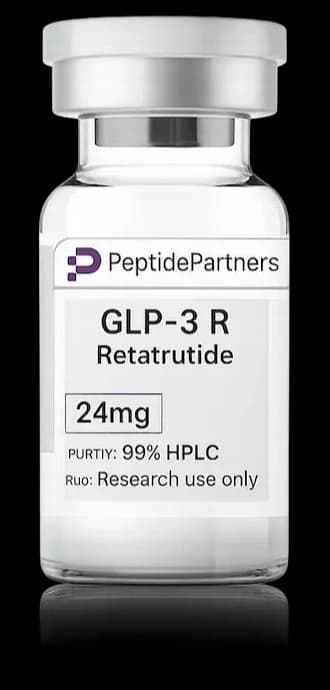
GLP-1 receptor agonists have the most extensive safety data of any peptide class. The STEP program (semaglutide), SURMOUNT program (tirzepatide), and TRIUMPH program (retatrutide) collectively enrolled tens of thousands of participants.
Gastrointestinal Effects - The Defining Side Effect
GI side effects are a dose-dependent class effect. They occur because GLP-1 receptors in the gut slow gastric emptying and modulate appetite signaling. In pooled data from STEP 1-3, involving 2,117 semaglutide participants, the most common side effects were:
- Nausea: 44% with semaglutide vs. 18% with placebo, most common in the first 8-12 weeks during dose escalation, then decreasing. The majority was rated mild to moderate.
- Diarrhea: 30% vs. 16% placebo.
- Vomiting: 24% vs. 6% placebo.
- Constipation: 24% vs. 11% placebo.
Tirzepatide shows a similar profile. In SURMOUNT-1, nausea affected approximately 24-33% of participants depending on dose level. In the head-to-head SURMOUNT-5 trial, tirzepatide had a modestly lower nausea incidence than semaglutide.
For the full comparative view across efficacy, dosing, access, and these same tolerability signals, see Semaglutide vs Tirzepatide vs Retatrutide (2026).
Retatrutide's Phase 2 data showed GI side effects in line with the class, though the glucagon receptor component adds a dimension the others lack. Early data suggests slightly higher rates of decreased appetite as a distinct signal.
The practical takeaway: slow titration matters. In pooled STEP analyses, 4.3% of semaglutide participants discontinued due to GI effects vs. 0.7% on placebo, and most of those discontinuations happened during dose escalation. Extending escalation intervals by even two weeks can substantially reduce GI burden.
Beyond the Gut: Other Documented Effects
Heart rate. Semaglutide increases resting heart rate by 1-4 bpm on average. In STEP trials, 26% of semaglutide-treated patients had a maximum increase of 20+ bpm at some point during treatment vs. 16% on placebo. No adverse cardiac events were attributed to this, and SELECT showed a 20% reduction in major cardiovascular events, but heart rate should still be monitored.
Gallbladder events. GLP-1 receptor agonists as a class carry a 28% increased risk of cholelithiasis. In STEP 1, gallbladder-related disorders occurred in 2.6% on semaglutide vs. 1.2% on placebo. Rapid weight loss itself is also a gallstone risk factor, so it is difficult to isolate the drug effect from the weight-loss effect.
Pancreatitis. Acute pancreatitis is rare but documented. Cases occurred in both semaglutide and placebo arms at low, roughly similar rates in STEP trials. The FDA label carries a warning, and patients with a history of pancreatitis should discuss this with their provider.
Thyroid C-cell tumors. In rodent studies, semaglutide caused thyroid C-cell tumors at clinically relevant exposures. This has not been established in humans, but semaglutide and tirzepatide are contraindicated in patients with a personal or family history of medullary thyroid carcinoma or Multiple Endocrine Neoplasia syndrome type 2.
Weight regain on discontinuation.STEP 1 extension data showed participants regained approximately two-thirds of lost weight within one year of stopping semaglutide. This is not a side effect in the traditional sense, but it is a critical safety-adjacent consideration for anyone planning to use GLP-1s temporarily.
Full protocol pages: Semaglutide, Tirzepatide, and Retatrutide.