Supplement
Protein powder (whey or plant)
Why it's paired with a GLP-1
Helps you hit daily protein when appetite is low, which protects muscle
Evidence note
Strong rationale; tied to muscle preservation in weight-loss research
GLP-1 Guide
Evidence-first
GLP-1 drugs and research compounds like semaglutide, tirzepatide, and retatrutide curb appetite, which can leave gaps in protein and key nutrients. Here is what the research says about the supplements that actually help, and what is mostly hype.
Quick summary
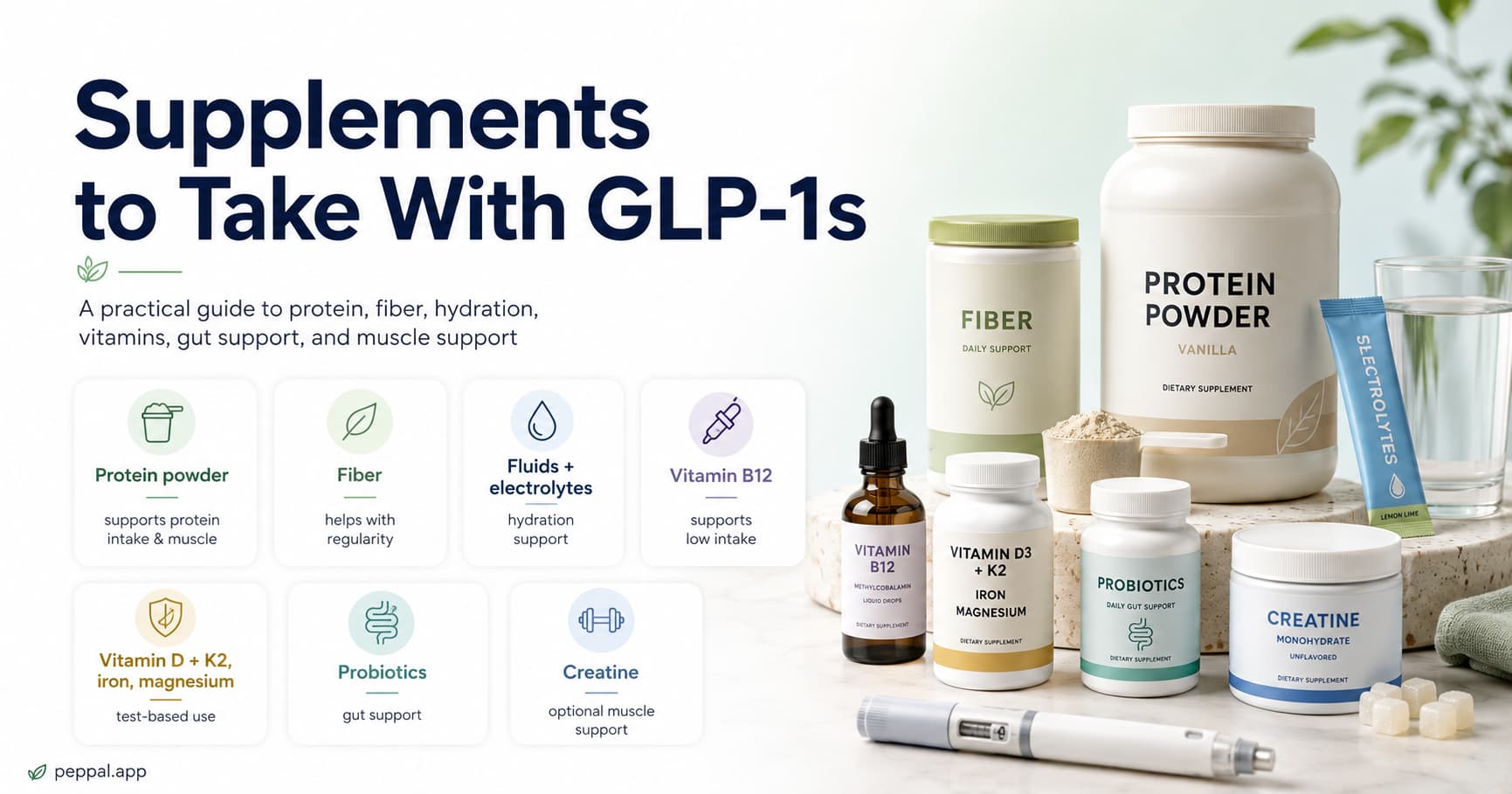
The phrase 'GLP-1 supplements' gets used two very different ways. The first is companion supplements: things people take while on a GLP-1 drug like semaglutide (Ozempic, Wegovy) or tirzepatide (Mounjaro, Zepbound) to cover nutrition gaps and ease side effects. The second is 'natural GLP-1' products that claim to raise or copy the hormone on their own. If your question is access rather than supplements, start with the compounded tirzepatide guide. This guide covers supplements because the evidence is very different for each category.
GLP-1 drugs work by slowing digestion and reducing appetite. You eat less, which is the point. But eating less also means less protein, fewer vitamins and minerals, and less fluid. Smart supplementing is mostly about filling those gaps, not chasing a magic pill.
This is general education, not personal medical advice. Supplements can affect medications and blood sugar, so check with the clinician managing your GLP-1 before adding anything new.
Most reputable guidance comes back to the same short list. These are not magic add-ons; they solve problems GLP-1 users commonly run into. Not everyone needs all of them, and blood work is the best way to know what you are actually low on.
Companion supplements people pair with GLP-1 drugs
Supplement
Protein powder (whey or plant)
Why it's paired with a GLP-1
Evidence note
Supplement
Fiber (such as psyllium)
Why it's paired with a GLP-1
Evidence note
Supplement
Fluids + electrolytes
Why it's paired with a GLP-1
Evidence note
Supplement
Why it's paired with a GLP-1
Evidence note
Supplement
Vitamin D + K2, iron, and magnesium
Why it's paired with a GLP-1
Evidence note
Supplement
Why it's paired with a GLP-1
Evidence note
Supplement
Creatine powder or creatine gummies (optional)
Why it's paired with a GLP-1
Evidence note
Test before you treat. A prescriber can check B12, iron, vitamin D, and other levels so you only add what you need. Disclosure: supplement links may earn PepPal a commission at no cost to you.
Use this checklist to keep the basics straight: protein, fiber, hydration, and lab-driven nutrients. It is not dosing guidance or a reason to add a supplement just because it is on the list.
Discount code: PEPPAL works on eligible supplier checkout links.
Why choose Peptide Partners?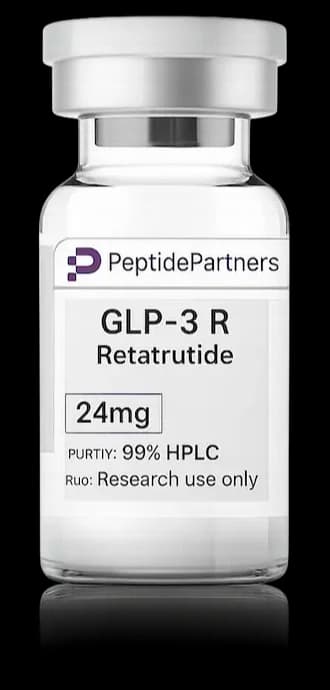
Disclosure: supply links may earn PepPal a commission at no cost to you.
The safest supplement plan starts with known gaps, not a generic cart of pills.
Research-use GLP-1 supply
If you are comparing semaglutide, tirzepatide, or retatrutide suppliers, confirm the product, vial size, batch testing, and research-use status before ordering.
Protein intake
Track whether low appetite is causing missed meals or low daily protein before relying on shakes.
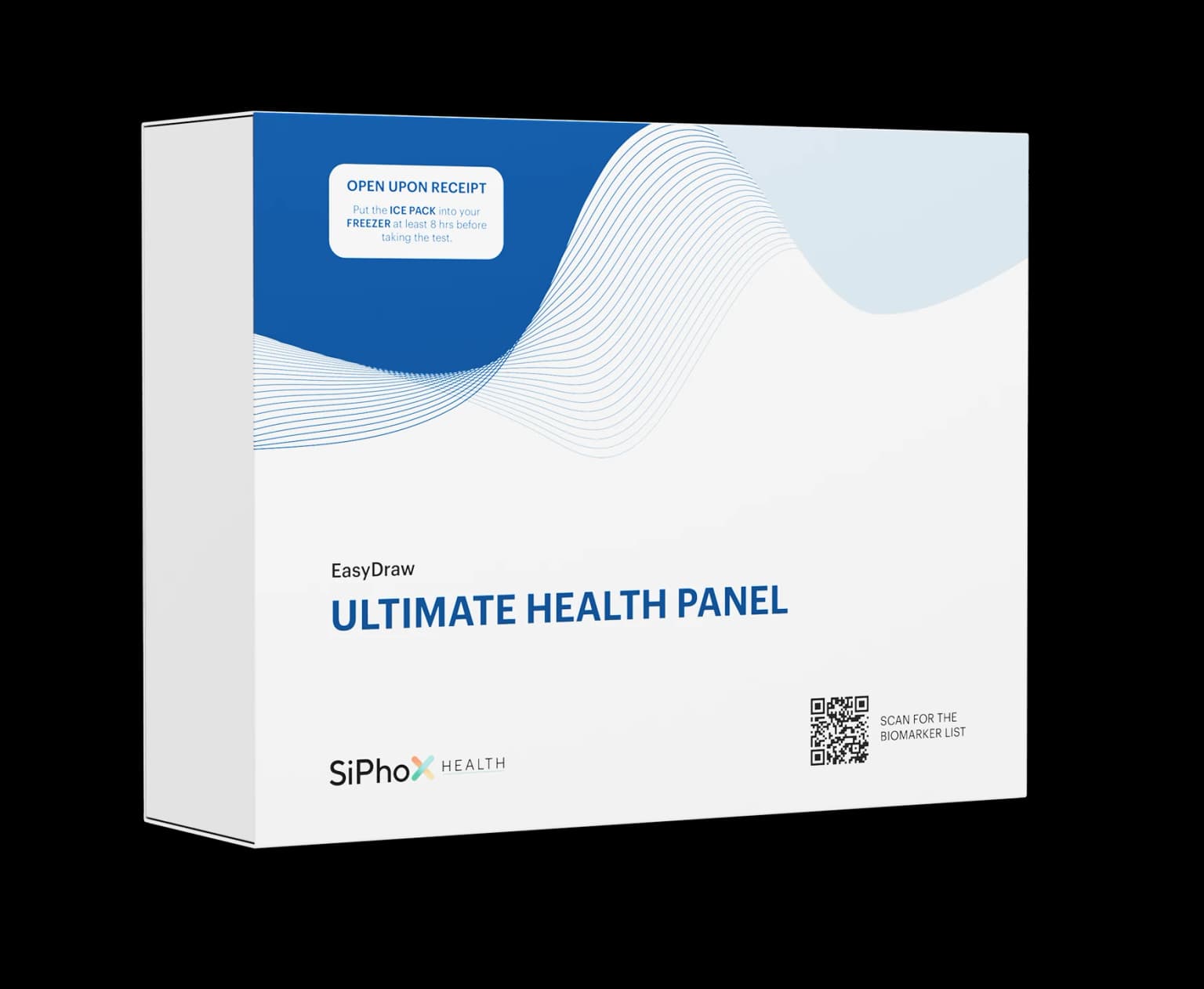
Micronutrient labs
Ask your prescriber about B12, vitamin D, iron, and magnesium testing before taking high-dose single nutrients.
Metabolic markers
HbA1c, lipids, kidney markers, and liver enzymes give useful context when GLP-1 therapy and supplements affect appetite, hydration, or blood sugar.
Start with the symptom, then pick the simplest fix.
Constipation
Fiber only works well with enough fluid; add it gradually and confirm it fits your medication plan.
Fatigue or dehydration
Electrolytes may help when intake is low, but dizziness, severe weakness, or very low urination needs medical attention.
Blood sugar effects
Avoid stacking berberine or other glucose-lowering supplements with diabetes medication unless your clinician approves it.
Use this section as a shopping checklist, not a diagnosis or supplement plan. Labs and clinician guidance still come first.
Here is the single most evidence-backed reason to supplement. When you lose weight fast, some of that loss is muscle, not just fat. In a body-composition analysis of the STEP 1 semaglutide trial, total lean mass dropped by about 9.7%. Across several GLP-1 trials, roughly 25-40% of the total weight lost has come from lean tissue.
That sounds alarming, but it is normal for any rapid weight loss, and it is largely fixable. The same research shows the body-composition picture still improved overall, because far more fat was lost than muscle. The goal is to shift the ratio further toward fat by protecting muscle.
Two levers do most of the work: enough protein and resistance training. In case reports of people who prioritized both, muscle loss was kept very low even with large total weight loss. Dietitians commonly suggest anchoring each meal around a protein source. A protein shake makes that easier on days when food just is not appealing. You do not need a gym; bands, dumbbells, or bodyweight work all send the muscle-protecting signal.
Protein plus simple resistance training has the strongest evidence of anything in this guide. If you only do one thing, do this. Ask your prescriber about a daily protein target that fits your health and kidney status.
A lot of supplement searches are really side-effect searches. Start with food, fluids, and dose-timing basics, then use supplements only where they solve a specific problem.
Ginger is a low-risk option many people use for nausea. Smaller, slower meals and avoiding greasy food usually help more than any pill.
A soluble fiber like psyllium, taken with plenty of water, is the most common fix. Add it gradually so it does not cause bloating.
When you eat and drink less, fluids and electrolytes can drop. An electrolyte powder or oral rehydration drink, sipped through the day, can help. If you feel dizzy, very weak, or notice you are barely urinating, contact your provider.
Some people notice more shedding a few months in. In Wegovy trials, hair loss was reported by about 2.5-3% of users versus about 1% on placebo, and it shows up more with larger weight loss. This is usually telogen effluvium, a temporary shedding triggered by rapid weight loss and low nutrition, not the drug attacking your follicles. The same pattern happens after bariatric surgery, where up to ~57% report shedding. Getting enough protein, iron, zinc, and vitamin D supports regrowth. Biotin is widely sold for hair but rarely helps unless you are truly deficient, and high doses can skew some lab tests.
This is the biggest source of confusion, so here is the honest version. Your gut really does release its own GLP-1 when you eat, and certain foods nudge that up. Protein, soluble and fermentable fiber, and healthy fats can all raise your own GLP-1 a little. A 2026 scoping review found some fibers (like dextrins) showed the most consistent effect, but the studies were small and short, so the picture is still limited.
The key word is 'a little.' The rise you get from food or fiber is far smaller and less reliable than what a prescription GLP-1 drug does. No supplement matches a medication that is built to lock onto the GLP-1 receptor for days at a time.
That brings us to berberine, the supplement nicknamed 'nature's Ozempic.' It is a real plant compound that can modestly help blood sugar and cholesterol, mainly through a different pathway (an enzyme called AMPK), not by acting like GLP-1. UCLA Health and multiple pharmacists are blunt about it: there is no solid evidence it works like a GLP-1 drug, and the 'nature's Ozempic' label is marketing. Trials suggest modest weight loss at best, usually alongside diet changes, and it can upset your stomach and interact with medications.
Marketing claim vs. what the research shows
The claim
'This supplement mimics GLP-1'
What the evidence shows
The claim
'Berberine is nature's Ozempic'
What the evidence shows
The claim
'OTC GLP-1 patches or gels'
What the evidence shows
The claim
'Boost GLP-1 naturally for big weight loss'
What the evidence shows
If a product promises drug-like weight loss from a pill or patch, treat that as a red flag.
More is not better, and a few combinations need a prescriber's sign-off first.
It depends which kind you mean. As companion supplements, yes, the core list earns its place: protein and resistance training to protect muscle, fiber for constipation, fluids and electrolytes for hydration, and targeted vitamins like B12 when blood work shows a gap. These do not boost the drug; they help you tolerate it and hold onto muscle.
As replacements for the medication, no. 'Natural GLP-1' and 'mimic GLP-1' products do not come close to a prescription GLP-1's effect, and the strongest claims are marketing. Spend your money on the basics that have evidence, test before you treat, and be especially careful with anything that affects blood sugar.
The most useful options fill gaps the medication creates: protein to protect muscle, fiber for constipation, fluids and electrolytes for hydration, and vitamin B12 plus other vitamins when blood work shows you are low. Not everyone needs all of them. Ask your prescriber and test your levels first.
As companion supplements, the evidence-backed ones (protein, fiber, electrolytes, key vitamins) genuinely help you tolerate the drug and keep muscle. As replacements that 'mimic' or 'boost' GLP-1 on their own, the effect is far weaker than the medication and the big claims are mostly marketing.
Protein, paired with resistance training, has the best evidence. Trials show roughly 25-40% of weight lost on a GLP-1 can be muscle, and enough protein plus simple strength work keeps most of that muscle. Creatine or HMB may help some people, but they are secondary.
Your gut releases its own GLP-1 when you eat, and protein, soluble or fermentable fiber, and healthy fats can raise it a little. The effect is real but modest and far smaller than a prescription GLP-1 drug. The research is still limited, with mostly small, short studies.
No. Berberine is a plant compound that may modestly help blood sugar and cholesterol through a different pathway, not by acting like GLP-1. UCLA Health and many pharmacists call the 'nature's Ozempic' label marketing. Any weight loss tends to be modest and usually comes with diet changes.
Hair shedding on a GLP-1 is usually telogen effluvium, a temporary response to fast weight loss rather than the drug itself, and it often improves once weight stabilizes. Getting enough protein, iron, zinc, and vitamin D supports regrowth. Biotin rarely helps unless you are truly deficient.
Use caution with stand-alone weight-loss supplements and calcium unless your prescriber okays them, and watch combinations that lower blood sugar if you also take diabetes medication. Avoid mega-doses of single nutrients without a known deficiency. Check with your prescriber before adding anything.
No. This page is educational, not personal medical advice or a dose recommendation. Supplements can interact with medications, so check with the clinician managing your GLP-1 before starting or changing anything.
Preferred supplier
Peptide PartnersNeed peptides? Start with a verified supplier.
PepPal's recommended source with current discount access and established testing standards.