
Featured Dosing Tracker
PepPal Pro
Save your calculations and follow your peptide cycle by day, week, or month.
- Peptide calendar
- Cycle tracking
- Saved calculations
Peptide Tools
Reconstitution + Units
This free calculator turns vial size, BAC water, and target dose into concentration, draw volume, and U-100 syringe units. It is an educational research-planning tool, not medical advice, and it does not tell you what dose to use.
Quick summary
Tirzepatide presets
Use the presets first; the manual steps below are for different vial sizes, water volumes, or doses.
3 mL max presets
30 mg + 3 mL = 10 mg/mL, so 10 units = 1 mg.
Optional: use when your setup does not match a preset
Step 1
Choose syringe size.
Step 2
How many mg of peptides are in your vial?
Step 3
Dose amount per injection. 1 mg = 1000 mcg.
Step 4
Bacteriostatic water used to reconstitute your vial.
Featured Dosing Tracker
Save your calculations and follow your peptide cycle by day, week, or month.
This calculator does one job. It turns your vial size, the amount of BAC water you add, and your target dose into three numbers: concentration in mg/mL, the volume you draw in mL, and the matching units on a U-100 insulin syringe.
Tirzepatide ships as a freeze-dried powder. Before it can be drawn into a syringe, it has to be mixed with bacteriostatic (BAC) water. The amount of water you add sets the concentration, and the concentration is what decides how many units you draw. Get the concentration right and the units fall into place.
This page and calculator are educational research-planning tools. They do not recommend a dose, diagnose, or treat anything. Compounded and research-use tirzepatide is not FDA-approved. Talk to a qualified clinician before using any peptide.
The easiest path is to use the tirzepatide preset dropdowns first. Pick the vial setup that matches your research vial, then pick the common dose you want to calculate. The custom steps are only there when your vial size, BAC water volume, or target dose does not match a preset.
Use the common vial setup dropdown first. It includes common tirzepatide setups for 5, 10, 15, 20, 30, 40, and 60 mg vials, with BAC water capped at 3 mL.
Use the common dose dropdown next. The calculator fills the dose field for you without choosing or recommending a dose.
If your tirzepatide vial, BAC water amount, or target dose is different, use the manual fields below the preset divider. Enter the vial mg, BAC water mL, and dose yourself.
The calculator shows concentration in mg/mL, draw volume in mL, and matching U-100 syringe units. If the draw is more than 1 mL, it will not fit one syringe, so use a stronger mix for that research setup.
Use Save calculation to email yourself the draw, vial, water, dose, and supplier links so you can reference the setup later.
The math is short. Concentration is vial size divided by BAC water. Draw volume is target dose divided by concentration. U-100 units are milliliters multiplied by 100.
Here is one example. A 30 mg vial with 3 mL of BAC water gives 10 mg/mL. A 2.5 mg dose is 2.5 divided by 10, which is 0.25 mL, or 25 units. Add only 1.5 mL to that same vial and you get 20 mg/mL, so the same 2.5 mg dose becomes 0.125 mL, or about 13 units. Same peptide, different volume.
Concentration and units per 1 mg by vial size and BAC water
Vial size
5 mg
BAC water
Concentration
Units per 1 mg
Vial size
10 mg
BAC water
Concentration
Units per 1 mg
Vial size
10 mg
BAC water
Concentration
Units per 1 mg
Vial size
15 mg
BAC water
Concentration
Units per 1 mg
Vial size
20 mg
BAC water
Concentration
Units per 1 mg
Vial size
30 mg
BAC water
Concentration
Units per 1 mg
Vial size
30 mg
BAC water
Concentration
Units per 1 mg
Vial size
40 mg
BAC water
Concentration
Units per 1 mg
Vial size
60 mg
BAC water
Concentration
Units per 1 mg
A 10 mg/mL mix is the easy one: 10 units equals 1 mg. A 20 mg/mL mix is stronger, so each unit carries more peptide and your draw volume stays small for larger doses.
The FDA-approved labels for Zepbound and Mounjaro list once-weekly doses that step up over time: 2.5, 5, 7.5, 10, 12.5, and 15 mg, with the label moving up about every four weeks and 15 mg as the maximum. We list these numbers because people search for them. This is label reporting, not a dose recommendation, and this calculator does not tell you which dose to use.
Below is how those same mg values convert to U-100 syringe units at the two most common research concentrations. Use it as a sanity check against the calculator.
Units to draw at 10 mg/mL (e.g. 30 mg vial + 3 mL)
Dose (mg)
2.5 mg
Volume (mL)
U-100 units
Dose (mg)
5 mg
Volume (mL)
U-100 units
Dose (mg)
7.5 mg
Volume (mL)
U-100 units
Dose (mg)
10 mg
Volume (mL)
U-100 units
Dose (mg)
12.5 mg
Volume (mL)
U-100 units
Dose (mg)
15 mg
Volume (mL)
U-100 units
At 10 mg/mL, doses of 12.5 mg and higher do not fit one 1 mL syringe. Mix stronger to keep each draw under 1 mL.
Units to draw at 20 mg/mL (e.g. 60 mg vial + 3 mL)
Dose (mg)
2.5 mg
Volume (mL)
U-100 units
Dose (mg)
5 mg
Volume (mL)
U-100 units
Dose (mg)
7.5 mg
Volume (mL)
U-100 units
Dose (mg)
10 mg
Volume (mL)
U-100 units
Dose (mg)
12.5 mg
Volume (mL)
U-100 units
Dose (mg)
15 mg
Volume (mL)
U-100 units
A 20 mg/mL mix keeps every listed dose well under 1 mL, but the units land on half marks, so a 0.3 mL (30-unit) syringe with finer lines is easier to read.
Use this as a simple shopping checklist for reconstitution. Confirm vial size, batch documents, and current pricing before ordering. This is not dose advice.
PEPPAL applies to eligible supplier checkout links when supported by the supplier.
Why choose Peptide Partners?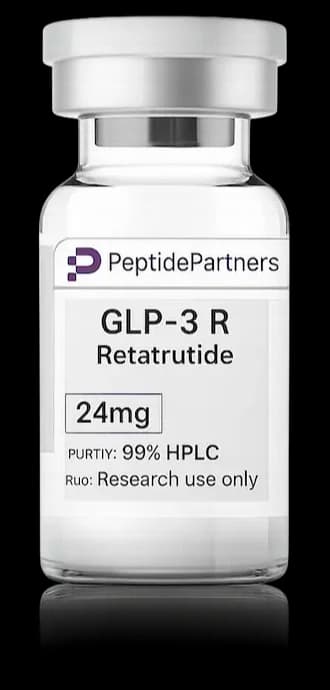
Disclosure: supply links may earn PepPal a commission at no cost to you.
It converts vial size, BAC water, and target dose into concentration (mg/mL), draw volume (mL), and U-100 syringe units. It does not tell you what dose to use.
Yes. It runs in your browser at no cost and does not require an account.
It depends on the concentration you want. A 30 mg vial with 3 mL of BAC water makes 10 mg/mL, which is the most common community mix. Less water makes a stronger solution. Enter your vial size and water amount and the calculator shows the result.
At 10 mg/mL it is 25 units (0.25 mL). At 20 mg/mL it is about 13 units (0.125 mL). Units always depend on your concentration, so check your own mix in the calculator.
Pick the vial size, then enter your BAC water. A 60 mg vial with 3 mL gives 20 mg/mL. A 30 mg vial with 3 mL gives 10 mg/mL. The calculator handles 5, 10, 15, 20, 30, 40, and 60 mg vials.
Many people use 10 mg/mL because 10 units equals 1 mg, which is easy math. A stronger 20 mg/mL mix keeps larger doses under one syringe. The right choice is the one that keeps your draw easy to read on your syringe.
Tirzepatide has a half-life of about five days, which is why it is studied as a once-weekly injection. The calculator only handles single-draw math, not blood-level modeling over time.
Branded tirzepatide is FDA-approved as Zepbound and Mounjaro. Compounded and research-use tirzepatide vials are not FDA-approved. Tirzepatide was removed from the FDA shortage list on October 2, 2024.
You can use it to double-check the math, but always read the concentration printed on your pharmacy label first and confirm it with your pharmacy or clinician before drawing any dose.
No. This calculator is for education and research planning only. It does not diagnose, treat, or recommend a dose. Talk to a qualified clinician before using any peptide.
Preferred supplier
Peptide PartnersNeed peptides? Start with a verified supplier.
PepPal's recommended source with current discount access and established testing standards.