
Last updated: August 5, 2026
Why Your Semaglutide, Tirzepatide, or Retatrutide Isn't Working: A Grey Market Troubleshooting Guide
You've been injecting for eight weeks. The scale won't budge. Appetite suppression is mild or gone. You're starting to wonder whether the peptide you paid for is actually working — or whether something is wrong with you.
In most cases, it's neither. It's the vial.
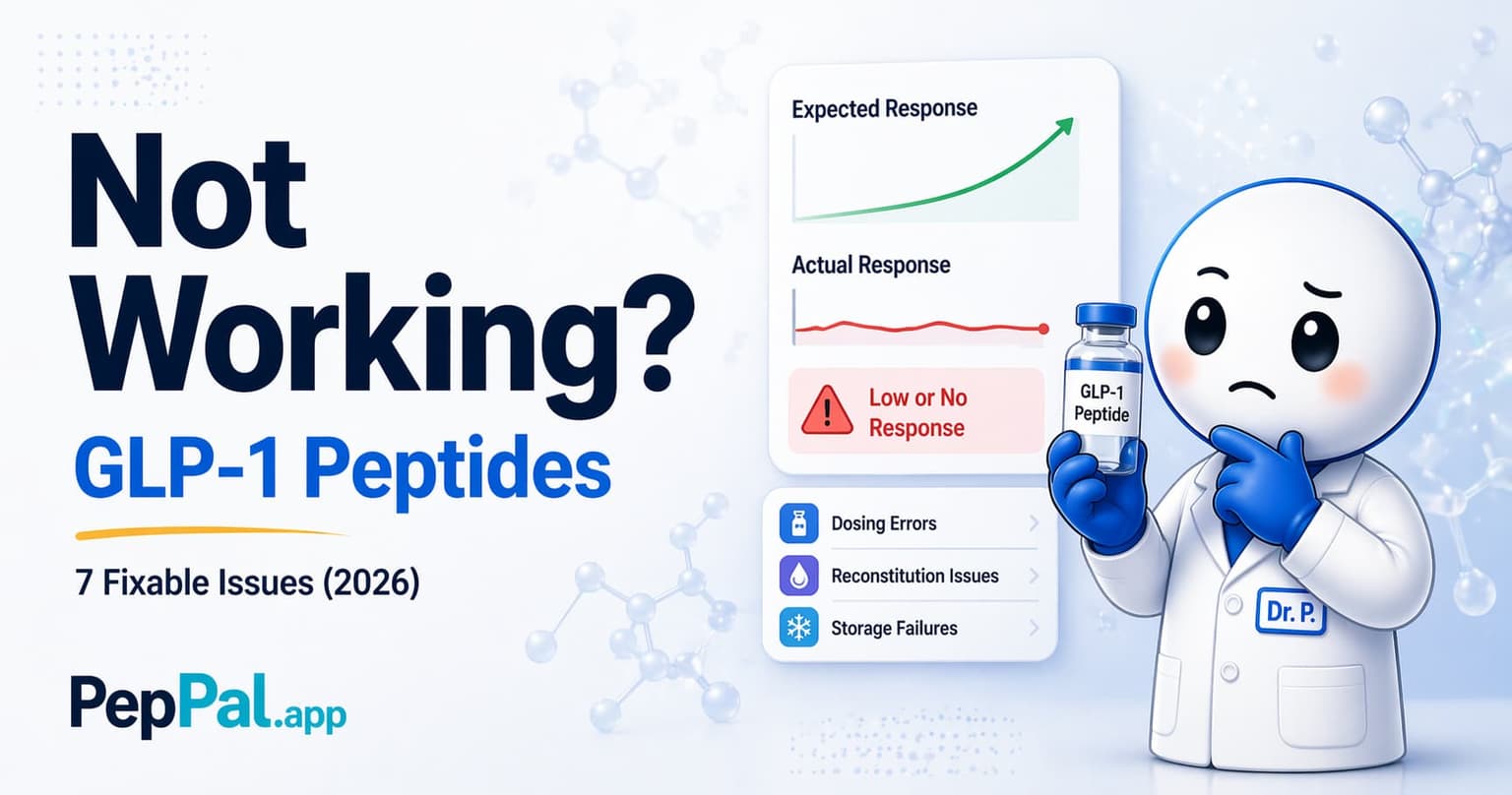
Quick Answer
If your grey market semaglutide, tirzepatide, or retatrutide isn't delivering results, the fix is almost always one of three things: you're drawing the wrong volume (reconstitution math error), the vial is underdosed or degraded (a documented grey market problem — independent testing platform Finnrick has tested 6,813 samples across 204 vendors and publishes vendor-level ratings [1]), or you haven't been at a therapeutic dose long enough (clinical trials titrate over 16 weeks before the ceiling dose is reached [2]). This guide walks you through a diagnostic checklist — reconstitution math first, storage second, vial potency third, and dose-ceiling last — so you can figure out what's broken before you spend another $150 on a new vial.
Use this as a practical checkout checklist: start with a reviewed supplier, add baseline blood testing, then gather the common supplies you need before ordering.
Vetted Supplier Shopping Cards
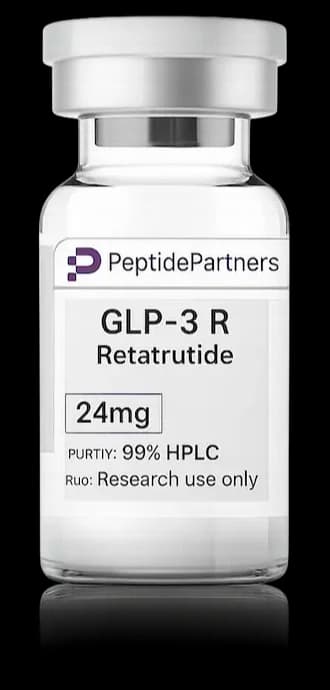
Peptide Partners
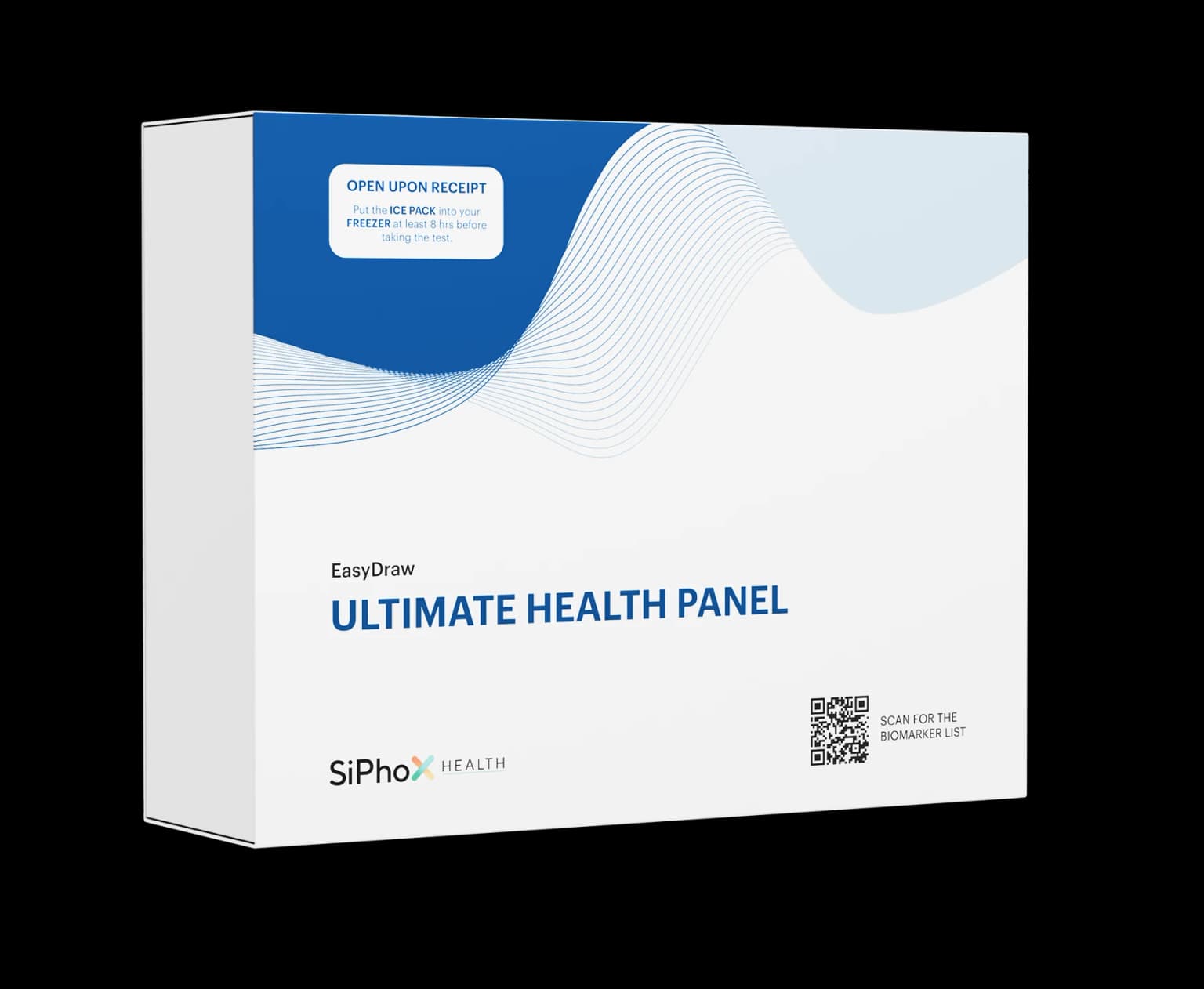
At-Home Blood Test
More Supplies
Disclosure: supply links may earn PepPal a commission at no cost to you.
Companion Supplies & Routine Support
Why This Post Exists
Search "why isn't semaglutide working" and you'll get 10 telehealth clinic pages telling you about thyroid issues, sleep apnea, and hidden calories. All of that advice is written for people on prescribed Wegovy or Ozempic — FDA-approved pen injectors that have already cleared manufacturing QA and ship in a temperature-validated supply chain.
That's not the audience PepPal serves. If you're reading this, you probably bought a lyophilized vial from a research-peptide supplier, reconstituted it with bacteriostatic water, and are drawing from a 100-unit insulin syringe. Your failure modes are completely differentfrom someone with a Wegovy pen. The clinical advice doesn't map onto your situation, and the grey market audience has almost no trustworthy troubleshooting resource. This post is that resource.
I've reviewed hundreds of Finnrick test reports while building PepPal's supplier directory. I've run the reconstitution math on dozens of common vial sizes for the calculator. And I've spent months reading the STEP, SURMOUNT, and TRIUMPH trial supplementary appendices to understand what "working" actually looks like on a proper titration schedule. What follows is the troubleshooting checklist I'd use myself.
Disclaimer: This is educational research content, not medical advice. Semaglutide and tirzepatide are FDA-approved (Wegovy, Ozempic, Zepbound, Mounjaro). Retatrutide is investigational and not FDA-approved as of August 2026. Grey-market research peptides are sold for research use only. If you are using peptides for personal health decisions, work with a qualified healthcare provider.
The 7 Reasons Your GLP-1 Peptide Isn't Working (In Order of Likelihood)
I've ordered these by how often I see them cause real problems in the grey market, starting with the most common and most fixable. Work through them in order. Most people find their answer by #3.
1. You're Drawing the Wrong Volume (Reconstitution Math Error)
This is the single most common cause of "my peptide isn't working" in the grey market, and it costs people thousands of dollars in wasted vials every year.
Here's how it happens. You buy a 10 mg semaglutide vial. You reconstitute with 2 mL of bacteriostatic water. You want to dose 2.4 mg weekly. You remember reading "draw 30 units" somewhere and run with it.
But 30 units on a 100-unit insulin syringe is 0.3 mL, which in a 10 mg / 2 mL vial (5 mg/mL concentration) delivers 1.5 mg, not 2.4 mg. You're dosing at roughly the STEP-1 week-12 titration step, not the therapeutic ceiling. That's why nothing is happening.
The correct math:
- Concentration (mg/mL) = Total peptide (mg) ÷ Water added (mL)
- Volume needed (mL) = Target dose (mg) ÷ Concentration (mg/mL)
- Syringe units (U-100) = Volume (mL) × 100
For a 10 mg / 2 mL semaglutide vial dosed at 2.4 mg: 2.4 ÷ 5 = 0.48 mL = 48 units, not 30.
This is why PepPal built the free peptide reconstitution calculator. You enter your vial size, water volume, and target dose, and it returns the exact syringe units. When I ran the math across the 12 most common GLP-1 vial sizes, I found that three of them produce "nice round number" draws that are very close to a differenttherapeutic dose, exactly the kind of off-by-one error that makes someone think their peptide isn't working when they're actually underdosing by 30–50%.
Fix: Pull your vial, your water volume, and your target dose. Run them through the calculator once. Write the units on the vial in sharpie. Do this before anything else on this list.
2. Your Reconstituted Vial Has Degraded
Lyophilized peptide powder is shelf-stable for months. Reconstituted peptide is not.
Published stability data for reconstituted semaglutide stored at 2–8°C supports a 28-day use window at full potency [3][4]. Reconstituted tirzepatide behaves similarly. Retatrutide left at room temperature below (below 30°C) drops to roughly 85% potency by day 21 and about 60% by day 35 [5].
What people actually do:
- Mix a vial on day 1
- Leave it at room temp for a weekend (work trip, forgot to refrigerate)
- Use it for 8 weeks instead of 4
- Wonder why weeks 5–8 feel weaker than weeks 1–4
By week 8, you may be dosing at 60–70% of the original potency. That feels exactly like "it stopped working."
Fix: Label every vial with the reconstitution date in sharpie. Use within 28 days. Keep at 2–8°C continuously. Do not freeze reconstituted solution; freezing damages the peptide structure [3]. If the solution becomes cloudy, develops particles, or changes color, discard and start fresh.
3. The Vial Itself Is Underdosed
This one never gets discussed on the big clinic blogs, because clinics don't operate in the grey market. But it's real, and it's documentable.
Finnrick Analytics, an independent peptide testing platform based in Texas, has tested 6,813 samples from 204 vendors across 15 peptide categories as of March 2026 [1]. They grade vendors A through F based on multiple samples. The rating spread is wide:
- Planet Peptide semaglutide: Finnrick A (Great) based on 8 samples, all scoring 6+ out of 10 [6]
- Peptide Sciences semaglutide: Finnrick B (Good), 15 samples, no score below 5 [7]
- Royal Peptides semaglutide: Finnrick B (Good), 7 samples [8]
- Elite Research USA semaglutide: Finnrick C (Okay), 9 samples, some scored as low as 4 [9]
A "C" rating means the vial you received may contain meaningfully less peptide than the label claims, or may contain a higher fraction of degradants. A "4" score on the Finnrick scale corresponds to a vial with measurable quantity or purity issues. If you're dosing "2.4 mg" from a vial that actually contains 1.6 mg, you'll feel early-titration effects forever, no matter how long you inject.
Fix: Check whether your current vendor has Finnrick testing history. The PepPal supplier directory ranks suppliers by their Finnrick record. Our #1 recommendation, Peptide Partners, has 59 Finnrick-tested samples with multi-lab coverage. Our alternative pick, Orbitrex Peptides, holds a Finnrick A rating on the products we've reviewed. If your current vendor isn't Finnrick-rated or is rated below B, switching sources is a more efficient fix than doubling your dose.
4. You Haven't Hit the Therapeutic Dose Long Enough
The single most misunderstood part of GLP-1 dosing is how long titration actually takes.
In the STEP 1 trial, the 68-week Phase 3 study that got semaglutide 2.4 mg approved for weight management, participants started at 0.25 mg weekly and escalated every 4 weeks: 0.25 → 0.5 → 1.0 → 1.7 → 2.4 mg, hitting the ceiling dose at week 16 [2][10]. Most of the weight loss happened after week 16, not during titration. Faster titration schedules cause more GI side effects, more treatment discontinuation, and no faster weight loss [11].
What I see in the grey market: people jump from 0.25 mg to 2.4 mg in 4 weeks, hit a side-effect wall, miss two doses, drop back to 1.0 mg, and conclude "semaglutide isn't working." What actually happened is they never stabilized at a therapeutic dose.
Retatrutide follows a similar pattern. In the Jastreboff Phase 2 trial, the 12 mg arm titrated from 2 mg over 20 weeks and weight loss continued through week 48 [12]. People expecting results at week 6 on 4 mg are simply not on the right part of the curve yet.
Fix:If you haven't been at your target dose for at least 8 continuous weeks, you don't have enough data to conclude the peptide isn't working. Follow the standard titration: 4 weeks per step, escalate only if tolerated. If you were aggressive and crashed, drop back to the last dose you tolerated, hold for 4 weeks, then escalate slowly.
5. You're at the Ceiling of Your Current Compound
Some people genuinely max out semaglutide. The STEP 1 average was 14.9% weight loss at 68 weeks on 2.4 mg [10], and roughly 14% of participants lost less than 5% of body weight. That's not "semaglutide doesn't work." It's "semaglutide has a ceiling for my physiology."
The head-to-head SURMOUNT-5 trial published in NEJM in May 2025 compared tirzepatide to semaglutide directly over 72 weeks. Tirzepatide delivered −20.2% mean weight loss vs. −13.7% for semaglutide, and 31.6% of tirzepatide users hit the ≥25% threshold compared to 16.1% of semaglutide users [13][14]. Retatrutide Phase 2/3 data has reported up to 24.2% (Jastreboff) to 28.7% (TRIUMPH-4) mean weight loss at 48–68 weeks [12].
If you've done the work — confirmed your reconstitution math, verified your vial, titrated properly, and held at 2.4 mg semaglutide for 12+ weeks — and you're still below 5% body weight loss, you may genuinely be a semaglutide under-responder. The evidence-based next step is switching compounds, not doubling the dose. See the full fat-loss peptide comparison for the efficacy ladder and decision framework.
6. Your Baseline Diet and Movement Have Absorbed the Deficit
GLP-1 peptides work by suppressing appetite and slowing gastric emptying. That makes eating less easier, but it doesn't override the thermodynamics if you're drinking 600 calories of mixed drinks on weekends, eating out more now that you're "not hungry," or have stopped weighing yourself because you're "on the medication."
The STEP trials required a 500 kcal/day deficit and 150 minutes of weekly physical activity as baseline lifestyle intervention [10]. Participants who lost 14–17% of body weight did so with that structure in place, not despite it. In the absence of that structure, the appetite suppression gets absorbed by environmental factors — eating more protein bars, skipping workouts, drinking calories.
Fix:Log 7 days of food and drink honestly. If your daily calorie intake is within 200 of maintenance, the peptide is doing its job pharmacologically — you're just eating back the deficit. No amount of dose escalation fixes that.
7. An Underlying Medical Issue Is Competing with the Drug
This is last on the list because it's where the clinic blogs focus 80% of their content and where PepPal can add the least value. But it's real. Hypothyroidism, PCOS, untreated sleep apnea, Cushing's syndrome, and certain antipsychotics and antidepressants can all blunt weight-loss response [15].
If you've ruled out #1–6 on this list and you're still not responding, that's a signal to get baseline labs. A TSH panel, a full metabolic panel, and an A1c are reasonable starting points. This is a legitimate time to involve a healthcare provider.
How to Prove It's the Peptide, Not You: Independent Vial Testing
If you've been through this list and genuinely don't know whether your vial is underdosed or your physiology is the limiting factor, there's one more step grey market users have that prescription users don't: independent third-party testing.
Janoshik Analytical (based in the Czech Republic, accepts samples globally) is the most recognized independent testing lab in the research peptide community [16][17]. They offer a "Common GLP-1 peptide blind test" that identifies the peptide, measures the actual amount in the vial, and reports purity — covering semaglutide, tirzepatide, and retatrutide in a single test [17]. You send the sample, they run HPLC, you get a COA you can verify on their public portal.
This is the grey market's equivalent of "my doctor ordered a serum drug level." It tells you whether the peptide you're injecting matches what the label claims. If your test comes back at 92% purity and full label dose, your peptide is fine — the fix is somewhere else on this list. If it comes back at 65% of label dose, you now have hard evidence that your vendor is the problem.
Most grey market users never do this. The ones who do almost always stop buying from any vendor whose product tests below label.
What NOT to Do
Three things I see people try that make the problem worse:
Don't stack another GLP-1 on top. Stacking semaglutide with tirzepatide is not a "stronger effect" — both act on the GLP-1 receptor, which means you're just amplifying GI side effects without materially increasing efficacy. If you need more efficacy, switch compounds, don't stack them.
Don't "dose-load" by injecting more frequently than weekly. Semaglutide has a 1-week half-life and tirzepatide is ~5 days. More frequent injection doesn't increase peak effect — it just destabilizes your steady-state levels. Stick to weekly.
Don't ice-cube your reconstituted vial, freeze it, or microwave it to "activate" it. These are TikTok myths. Freezing reconstituted peptide damages the molecular structure and reduces potency [3]. Heat accelerates degradation.
The Decision Tree
Use this flow to figure out your next move in under 5 minutes:
- Have you been at your target dose for 8+ weeks? No → hold dose, wait. Yes → continue.
- Did you verify your reconstitution math? No → run the calculator. Yes → continue.
- Is your current vial <28 days post-reconstitution and refrigerated continuously? No → discard, start fresh with a labeled date. Yes → continue.
- Does your vendor have Finnrick test coverage at grade B or higher? No → switch to a verified supplier. Yes → continue.
- Is your dietary deficit real (logged, honest, 300–500 kcal/day)? No → fix diet before escalating dose. Yes → continue.
- Still not working? Consider Janoshik independent testing to rule out vial potency definitively, then evaluate switching compounds: semaglutide → tirzepatide → retatrutide.
- Tested vial is fine, diet is real, at target dose for 12+ weeks, <5% weight loss? Talk to a healthcare provider about baseline labs and compound switching.
Frequently Asked Questions
How long should I give semaglutide before deciding it's not working?
The STEP 1 trial titrated over 16 weeks and most weight loss occurred after reaching the 2.4 mg ceiling dose at week 16 [2][10]. A reasonable fail-point is 12 continuous weeks at 2.4 mg (so roughly 28 weeks total from your first injection). If you're below 5% body weight loss by that point with verified dosing and vial quality, semaglutide may not be the right compound for your physiology. Use our calculator to confirm your draw volume is correct before concluding anything.
Can my grey market semaglutide be underdosed or fake?
Yes, and it's well documented. Finnrick Analytics has tested 6,813 samples from 204 vendors and publishes vendor-level ratings from A (Great) to F [1]. Vendors at the same retail price point can differ meaningfully in actual delivered potency. If your current vendor isn't Finnrick-rated or is rated C or lower, switching to a verified supplier is one of the highest-ROI fixes you can make. For how to read a COA and verify what you received, see our COA guide.
Can I stack semaglutide with tirzepatide for stronger results?
No, and I'd actively recommend against it. Both compounds are GLP-1 receptor agonists (tirzepatide is also a GIP agonist). Stacking them amplifies GI side effects without a proportional increase in weight loss, because the GLP-1 receptor is already saturated. If you want more efficacy than semaglutide, the evidence-based move is to switch to tirzepatide or retatrutide, which have higher efficacy ceilings — SURMOUNT-5 showed tirzepatide delivered 47% more relative weight loss than semaglutide at matched maximum tolerated doses [13][14].
How do I know if my reconstituted vial has gone bad?
Three signals: visible cloudiness, particles in solution, or color change (semaglutide, tirzepatide, and retatrutide should all be clear and colorless once reconstituted). Stability data supports a 28-day use window when stored continuously at 2–8°C [3][4]. If your vial has been at room temperature for more than 8–12 hours, potency is reduced by an estimated 2–5% per incident [5]. Extended room-temperature exposure causes measurable degradation within weeks. Label every vial with the reconstitution date in sharpie — if you can't remember when you mixed it, discard it.
How much does independent peptide testing through Janoshik cost?
Janoshik's Common GLP-1 peptide blind test (covers semaglutide, tirzepatide, and retatrutide in a single analysis) is priced in USD on their site and varies by add-ons (endotoxin, heavy metals, sterility) [17]. Standard peptide ID and amount testing is in the $50–$100 range per sample based on published pricing as of early 2026 — budget an additional $15–30 for shipping. Results typically return within 7–10 business days and are verifiable on Janoshik's public portal at verify.janoshik.com.
Is it possible to build tolerance to semaglutide (tachyphylaxis)?
Claims of GLP-1 "tolerance" or "receptor desensitization" are common in online peptide communities, but clinical trial data does not support meaningful tachyphylaxis at therapeutic doses. In STEP 1 and the 2-year STEP 5 extension, participants maintained weight loss across the 68–104-week treatment window without needing dose escalation [10]. What people often interpret as tolerance is more commonly: weight-loss plateau from metabolic adaptation, reconstituted vial degradation over 6–8 weeks of use, or a dietary deficit that has eroded as life returned to normal. Work through the 7-reason checklist above before concluding it's tolerance.
Why is retatrutide not working after 8 weeks?
Retatrutide's Phase 2 and TRIUMPH-4 trials titrated over roughly 20 weeks before hitting the highest tested doses (8 mg, 12 mg) [12]. Meaningful weight loss in community reports typically begins in the 4–6 mg range. If you're 8 weeks in and still in the 1–2 mg titration phase, you're not on the therapeutic part of the curve yet. Additionally, retatrutide's reconstituted stability is slightly tighter than semaglutide's — potency drops measurably at room temperature [5], so storage discipline matters more. Check your dose, vial age, and calculator math before assuming the compound has failed.
Should I switch suppliers if my current peptide isn't working?
Only after you've verified your reconstitution math and confirmed your vial is within its 28-day use window. If both of those check out and you're still not responding, a supplier switch is one of the most cost-effective next steps — especially if your current vendor has no Finnrick test history or a rating of C or lower. PepPal's supplier directory ranks vendors by independent testing data. Our top-rated supplier comparison covers the full methodology.
Is it safe to just use the peptide even if I'm not sure it's working?
Safe is a separate question from effective. A genuine semaglutide vial at full potency carries the known GLP-1 side effect profile (GI disturbance, dehydration risk, rare pancreatitis signal) [10]. An underdosed or contaminatedgrey market vial carries those risks plus unknown-contaminant risk and no efficacy to offset them — which is the worst trade in the category. If you're not getting results, that's not just a waste of money problem. It's also a signal that something is off with your supply chain that deserves investigation before continuing. Janoshik testing resolves this in 7–10 days.
Preferred supplier
Peptide PartnersNeed peptides? Start with a verified supplier.
PepPal's recommended source with current discount access and established testing standards.
Next Steps
If you work through this list and one of the first three reasons matches your situation, the fix is usually free or cheap: recalculate your dose, label your vial, or switch to a verified supplier.
- Fix your reconstitution math in 60 seconds: PepPal calculator
- Check your vendor against Finnrick data: PepPal supplier directory
- Understand the full efficacy ladder: Best peptides for fat loss (2026)
- Learn to read a COA before your next order: How to read a peptide COA
If you've done all of that and you're still not seeing results, the peptide probably isn't the problem anymore, and the next conversation is either with an independent testing lab or a healthcare provider, not another vendor.
Affiliate disclosure: PepPal uses affiliate links for Peptide Partners and Orbitrex Peptides. We only recommend vendors with independent Finnrick testing history. Our supplier rankings reflect published test data, not affiliate economics. Read our full methodology.
Medical disclaimer: This article is for educational and informational purposes only and is not medical advice. Semaglutide and tirzepatide are FDA-approved under the brand names Wegovy, Ozempic, Zepbound, and Mounjaro. Retatrutide is investigational and not FDA-approved as of August 2026. Research peptides are sold for research use only. Consult a qualified healthcare provider before making any personal health decisions.
Sources & Research
- Finnrick Analytics. "Peptide Testing Results & Ratings." Finnrick.com, accessed April 2026.
- Wilding JPH, et al. "Once-Weekly Semaglutide in Adults with Overweight or Obesity." New England Journal of Medicine, 2021.
- Wharton S, et al. "Semaglutide 2.4 mg for the management of overweight and obesity: systematic literature review and meta-analysis." Diabetes, Obesity and Metabolism, 2022.
- USP Chapter <797> (2023 revision). Pharmaceutical Compounding – Sterile Preparations. United States Pharmacopeia.
- SeekPeptides. "How long does retatrutide last: complete shelf life, storage, and duration guide." Accessed April 2026.
- Finnrick Analytics. "Planet Peptide: Semaglutide tests and rating." Finnrick.com.
- Finnrick Analytics. "Peptide Sciences: Semaglutide tests and rating." Finnrick.com.
- Finnrick Analytics. "Royal Peptides: Semaglutide tests and rating." Finnrick.com.
- Finnrick Analytics. "Elite Research USA: Semaglutide tests and rating." Finnrick.com.
- ClinicalTrials.gov. "STEP 1: Research Study Investigating Semaglutide in People with Overweight or Obesity." NCT03548935.
- Wilding JPH, et al. "Weight regain and cardiometabolic effects after withdrawal of semaglutide: The STEP 1 trial extension." Diabetes, Obesity and Metabolism, 2022.
- Jastreboff AM, et al. "Triple–Hormone-Receptor Agonist Retatrutide for Obesity — A Phase 2 Trial." New England Journal of Medicine, 2023. See retatrutide meta-analysis.
- Aronne LJ, et al. "Tirzepatide as Compared with Semaglutide for the Treatment of Obesity." New England Journal of Medicine, 2025.
- Eli Lilly and Company. "Lilly's Zepbound (tirzepatide) superior to Wegovy (semaglutide) in head-to-head trial." Press release, December 4, 2024.
- Ro. "12 Reasons You're Not Losing Weight on Semaglutide." Ro.co, 2025.
- Janoshik Analytical. "Trusted Laboratory Testing of Anabolics, Peptides and More." Accessed April 2026.
- Janoshik Analytical. "Common GLP-1 peptide blind test (Semaglutide, Tirzepatide and Retatrutide)."